Summary: Chinese New Year, known as Imlek in Indonesia, is celebrated across Bali with temple ceremonies, lion and dragon dances, festive food, red decorations and family gatherings. From historic Chinese temples to special restaurant menus and private-villa celebrations, Bali offers a distinctive way to experience Lunar New Year.
This Guide Is Designed For
- Travellers planning a Chinese New Year holiday in Bali
- Families looking to celebrate Lunar New Year together
- First-time visitors interested in Bali’s Chinese-Indonesian heritage
- Travellers looking for Chinese New Year food, traditions and cultural experiences
- Luxury travellers seeking a private villa for a multigenerational holiday
- Visitors who want to combine Lunar New Year celebrations with Bali’s beaches, culture and wellness
Why celebrate Chinese New Year in Bali?
Bali offers a distinctive Chinese New Year experience, combining Chinese-Indonesian traditions with the island’s Balinese Hindu culture, tropical setting and food scene. Celebrations can include temple visits, lion and dragon dances, cultural performances, festive dining and family gatherings.
While Bali is predominantly known for its rich Balinese Hindu culture, the island is also home to a significant Chinese community. Chinese traders started to arrive by sea around the 14th century. Many settled on the island, coexisting harmoniously with the local Hindu community, who embraced elements of Chinese culture – including Chinese New Year.
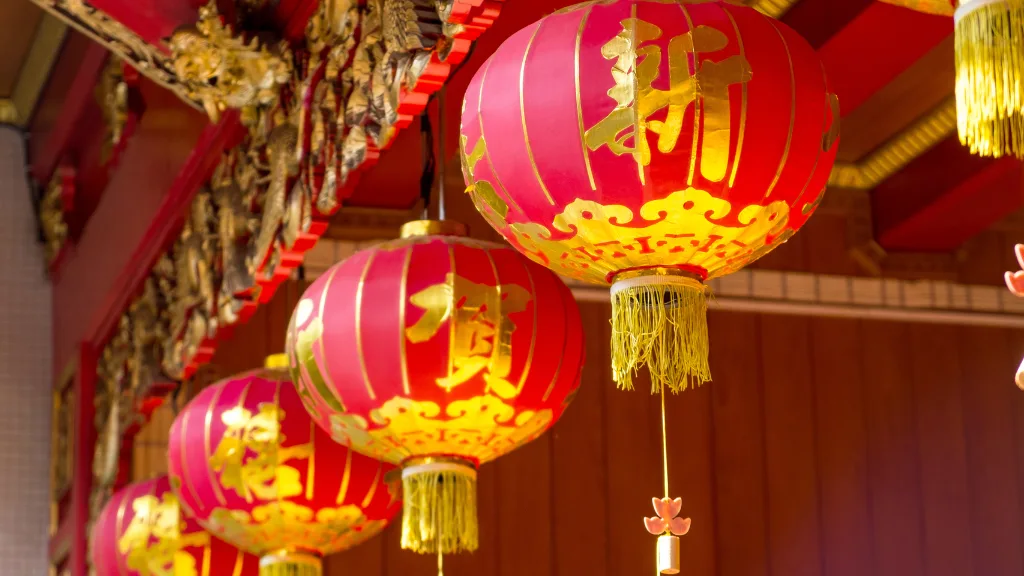
Chinese New Year is known as Imlek in Indonesia and is celebrated by Chinese-Indonesian communities across the country. In Bali, visitors can experience the festival through its temples, restaurants, public celebrations and local communities. From late January, you will find an air of anticipation and excitement across the island, and spot red lanterns blowing in the breeze. You can also witness cultural performances, parades, and fireworks and enjoy special CNY menus in festively adorned restaurants.
Where can you experience Chinese New Year in Bali?
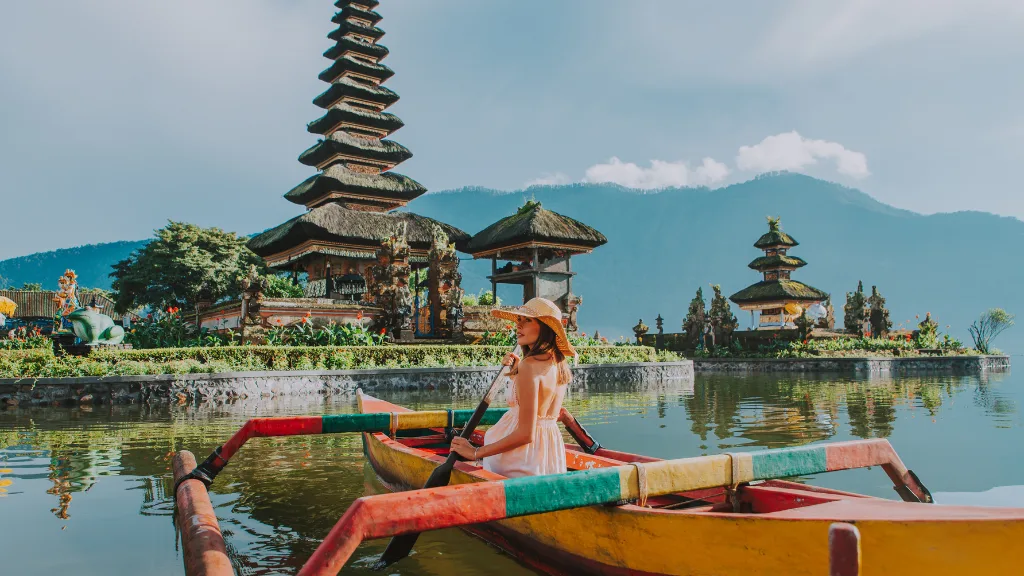
Some of Bali’s most interesting Chinese New Year experiences take place around its historic Chinese temples and communities. Kuta, Tanjung Benoa and northern Bali offer opportunities to see Chinese-Indonesian religious and cultural traditions, while restaurants and hotels across the island often introduce special Lunar New Year menus and events.
The most important aspect of Chinese New Year 2027 is spending time with family, so it’s the perfect time to book an exclusive home away from home. Elite Havens luxury villas offer private chefs, personal pools, tranquil gardens, and plenty of space for all the family to spread out. Another benefit of a villa stay in Bali is the Elite Concierge who can take care of any arrangements – from restaurant reservations to family outings, so all you have to do is pack your bags and hop on a plane.
Whether you want to observe all the rituals and traditions of a classic CNY, or simply relax with your family in comfortable surrounds on a beautiful tropical island, there are many reasons why you should head to Bali for Chinese New Year 2027.
Gong Xi Fa Cai!
Which Chinese temples can you visit in Bali?
Bali’s ornate Chinese temples set a lively scene for Chinese New Year festivities. Expect vibrant decorations, prayer rituals that fill the air with the fragrant scent of incense, and elaborate ceremonies. There are thrilling cultural performances too, including the traditional lion dance and dragon dance. Celebrations are often high in volume as the loud sounds of firecrackers, drums and cymbals are considered effective ways to ward off evil spirits.
Some Chinese temples to visit in Bali include Kuta’s Vihara Dharmayana Temple, which dates to 1876, and Klenteng Caow Eng Bio, which clings to the tip of the Tanjung Benoa Peninsula (near Nusa Dua,) and is more than 300 years old. Perhaps the most evocative of Bali’s Chinese temples though, is Ling Gwan Kiong. Here you will find magnificently landscaped miniature gardens, vivid murals and lotus ponds brimming with pink and white blooms. Located on the seafront in Singaraja which was once a buzzing seaport, Ling Gwan Kiong Temple is close to Agung Jagatnatha, an ornate Balinese Hindu temple, which is also worthy of a visit. The Elite Concierge can organise a day trip for you to this northern region of Bali, perhaps taking in some of the island’s scenic waterfalls along the way, with a lunch stop at the laidback seaside town of Lovina.
What can you expect to see during Chinese New Year in Bali?
Chinese New Year celebrations can include lion and dragon dances, temple ceremonies, red lanterns, cultural performances, drums, cymbals and fireworks. The scale and programme vary between locations and from year to year. For visitors, the celebrations offer a chance to see Chinese-Indonesian traditions alongside Bali’s own cultural landscape.
It is worth checking local schedules before travelling, particularly if you want to attend a specific temple ceremony or public performance.
Where to shop in Bali for Chinese New Year?
Wearing something new on the first day of the Chinese New Year is deemed auspicious, and Bali with its trendy boutiques, leafy malls and buzzing markets, is a fabulous place to pick up a new outfit or two. The more colourful the better – with the lucky colours red and gold a popular choice for CNY.
Bali’s malls, such as Beachwalk, heartily embrace the spirit of the lunar new year and you will find ample decorations and some terrific promotions to celebrate the holiday. The atmospheric markets in Denpasar are ideal for sourcing decorations, red envelopes for ang pao (money gifts) and fresh fruit. Mandarin oranges are particularly popular, as their name in Chinese, ‘kam’ sounds similar to the word for gold, and are thought to bring riches into your life.
What should you eat during Chinese New Year in Bali?
Food is central to Chinese New Year, with dishes traditionally associated with prosperity, longevity, abundance and family togetherness. Bali adds another dimension through its Chinese-Indonesian and Peranakan culinary influences.
Look for festive menus featuring dishes such as whole fish, dumplings, longevity noodles, spring rolls and other Chinese specialities, alongside Indonesian and Balinese flavours.
Bali also has a wide range of Chinese restaurants, from casual restaurants to sophisticated dining venues. Restaurants and hotels often introduce special menus around Lunar New Year, so advance reservations are advisable. Specialities like Nasi Campur may be prepared with a Chinese or a Peranakan twist, incorporating flavours and techniques from both culinary traditions. You can indulge in traditional Cantonese cuisine at one of the island’s many Chinese restaurants, such as Happy Chappy Chinese, with locations in Seminyak, Petitenget and Canggu.
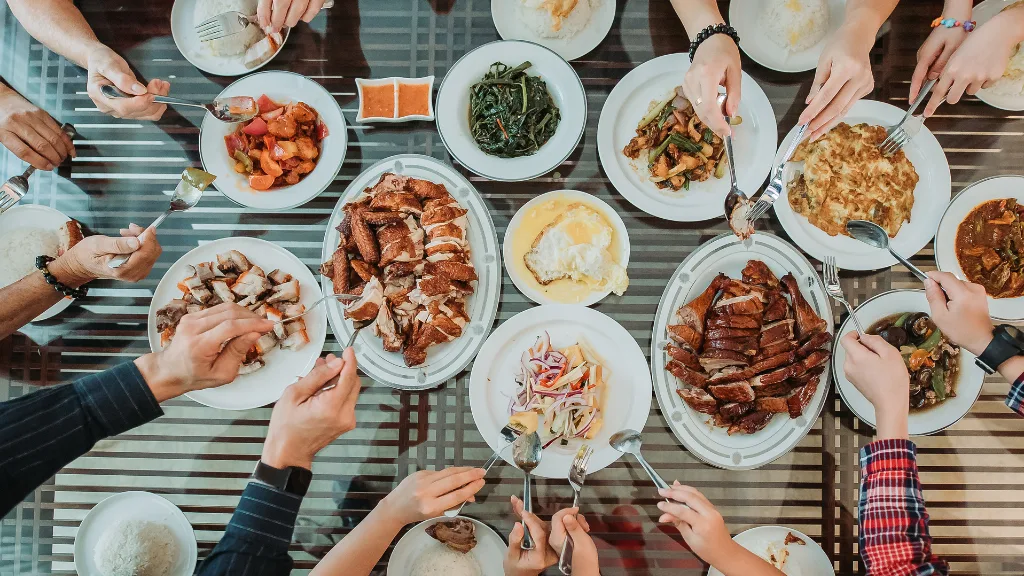
Restaurants and hotels also offer elaborate set menus and buffet extravaganzas. Expect authentic dishes like Peking duck, steamed pork belly, lion’s head Chinese meatballs, whole fish and moon cake. Plus, fun traditions like noodle tossing and mandarin throwing, and maybe even a live gamelan orchestra for a delightful Balinese twist. Don’t worry about scouring the internet – the Elite Concierge can advise on the best CNY celebrations around the island.
Where should you stay for Chinese New Year in Bali?
The best area depends on whether you want to prioritise Chinese New Year celebrations, beaches, restaurants, culture or privacy.
South Bali is convenient for access to many restaurants, shopping areas and Chinese temples, while Canggu and Seminyak offer a wide choice of dining and nightlife. Nusa Dua and Tanjung Benoa provide easy access to Caow Eng Bio and a more resort-oriented setting. Northern Bali is better suited to travellers looking for a quieter cultural and scenic experience.
A private villa can be particularly appealing for Chinese New Year because it gives families and groups space to celebrate together.
Why stay in a private villa for Chinese New Year?
A private villa gives families and groups the freedom to celebrate Lunar New Year at their own pace, with private living spaces, a pool and personalised service. Depending on the property, guests can also arrange private dining, wellness treatments, transport and experiences through Elite Concierge.
For multigenerational families, the combination of bedrooms, communal areas and dedicated staff means everyone can spend time together without having to follow a hotel schedule.
Some larger Elite Havens villas can also accommodate extended families and groups across multiple bedrooms, making them suitable for a shared Chinese New Year holiday.
Private chefs for in-villa dining
One of the greatest advantages of staying in an Elite Havens villa is having a private chef on hand, who can customise your Chinese New Year menus to your preference. Opt for auspicious dishes such as longevity noodles – long noodles to symbolise long life, dumplings – which represent wealth, and spring rolls (with or without a Balinese twist) for good luck. Prefer a seafood barbecue, Indonesian banquet, or western-style brunch? Your private chef can prepare those as well, along with special menus for the kids.
What should you know before celebrating Chinese New Year in Bali?
Chinese New Year is a popular travel period, so flights, villas, restaurants and experiences can become busy. Book accommodation and key dining experiences early, particularly if you are travelling as a large family or group.
Public celebrations can also create traffic around temples and event areas. Allow extra travel time and check local arrangements before setting out. If visiting a temple or religious ceremony, dress respectfully and follow local guidance.
How can Elite Concierge help plan Chinese New Year in Bali?
Elite Concierge can help tailor a Lunar New Year itinerary around your family or group’s interests. This can include restaurant reservations, private transport, cultural experiences, day trips and other activities.
For villa stays, the team can also help arrange private dining and other services that allow you to celebrate Chinese New Year in the privacy of your own villa.
Ready to make your Chinese New Year unforgettable? Book your holiday villa now for a fantastic celebration with your family. Don’t wait – reserve your spot today and create lasting memories!
Frequently Asked Questions About CNY in Bali
Is Chinese New Year celebrated in Bali?
Yes. Chinese New Year, known as Imlek in Indonesia, is celebrated by Chinese-Indonesian communities in Bali and across the country. Visitors may encounter temple ceremonies, lion and dragon dances, festive food, decorations and cultural performances.
Where is the best place to celebrate Chinese New Year in Bali?
There is no single location for all celebrations. Kuta, Tanjung Benoa and northern Bali offer different opportunities to experience Chinese-Indonesian culture, while restaurants and hotels across southern Bali often host Lunar New Year dining and events.
What happens during Chinese New Year in Bali?
According to the local Elite Havens team, celebrations can include temple ceremonies, lion and dragon dances, cultural performances, red lanterns, festive food, family gatherings and fireworks. The exact program varies by destination and year.
What is Imlek?
Imlek is the Indonesian term commonly used for Chinese New Year. It refers to Lunar New Year celebrations within Indonesia's Chinese-Indonesian communities.
What food is eaten during Chinese New Year in Bali?
Festive meals can include longevity noodles, dumplings, spring rolls, whole fish and other Chinese dishes associated with prosperity, longevity and abundance. Bali also offers Chinese-Indonesian and Peranakan interpretations of traditional dishes.
Can I celebrate Chinese New Year privately in a Bali villa?
Yes. Depending on the villa, a private chef can prepare a personalised Chinese New Year meal, while Elite Concierge can arrange dining, transport and cultural experiences.
Is Bali a good destination for a multigenerational Chinese New Year holiday?
Yes. Bali offers cultural experiences, beaches, restaurants, wellness and family attractions, while a private villa gives multigenerational groups space to stay and celebrate together.