Summary: The best time to visit Lombok is the dry season, from April to October, when the rains have eased and the skies turn a clean, brilliant blue. For the discerning traveller, the finest window of all falls in late May and early June.
Who This Guide Is Designed For
This guide is designed for:
- First-time visitors planning a trip to Lombok
- Travellers deciding the best time of year to visit
- Couples seeking a romantic island escape
- Families planning a tropical villa holiday
- Surfers chasing Lombok’s renowned waves
- Nature lovers keen to hike Mount Rinjani and explore waterfalls
- Luxury travellers considering a private villa stay
- Anyone comparing Lombok with nearby destinations like Bali
When the last of Indonesia’s wet season storms finally give way to clean blue skies and sunshine, the island of Lombok takes on an intoxicating air of boundlessness. Trade winds arrive to carry the scent of blooming frangipani trees across newly cool afternoons. The hills and endless rice terraces blanket the island in a dazzling emerald, and waterfalls – still gushing from the last month’s final rains – beg to be explored beneath the jungle canopy. Lombok is generous in every season, offering the same golden beaches, world-class waves and exotic atmosphere that draw travellers to other parts of Indonesia, only with far fewer people to share them. Yet, there are a few weeks each year when all of it aligns, and your average, wonderful Lombok holiday tips into a truly unforgettable one.
Lombok’s Two Seasons: Rainy and Dry
Like the rest of the archipelago, Lombok keeps a simple tropical rhythm of two seasons. The dry season runs from roughly April to October, the wet season from November to March. Temperatures barely move across the year, hovering around 30 to 31°C during the day and settling into the low twenties at night. Here, it is the measure of rainfall, humidity and wind – not heat – that separates a pleasant month from a glorious one.
The wet season is lush and dramatic. Rain tends to arrive in concentrated afternoon bursts rather than all-day grey, and the landscape repays it generously: the rice fields become so green they seem to glow beneath the clouds, the waterfalls of Mt. Rinjani’s great sloping sides run full, and the island feels intimate and gloriously uncrowded. December and January are the wettest months, and the sea is at its warmest. For travellers who prize seclusion and don’t mind a daily shower, there is real beauty in this time of year.
By April, the rains begin their retreat, and May through September become the postcard version of Lombok: clear skies, calm seas, and a clarity of light that makes the island’s tropical colors seem other-worldly to the naked eye. July and August are the driest and sunniest months of all, with barely any rain. They are also, predictably, the busiest, as international visitors arrive to make the most of their summer and school holidays.
Lombok’s Best Season: Late May and Early June
If there is a perfect time to visit Lombok, it is the slender window from late May into June.
This time of year, the island still carries the deep green of the wet season, and the gardens around the villas will be in full bloom. At the same time, the humidity has lifted, and the southeast trade winds have begun to brush the coast, cooling the afternoons and softening the midday sun. Rainfall becomes reliably unlikely, and the sea sparkles from all the sunshine.
Just as importantly, the great tourist rush has not yet arrived. The July and August crowds are still weeks away, which means quiet beaches, unhurried staff, and the pick of the island’s finest villas. You arrive to find Lombok at its most beautiful and its most peaceful at the same time.
Where to Stay in Lombok
Barefoot holiday villas on Sira Beach
On Lombok, the villa is not just a base camp for ticking off sights. It is the destination itself.
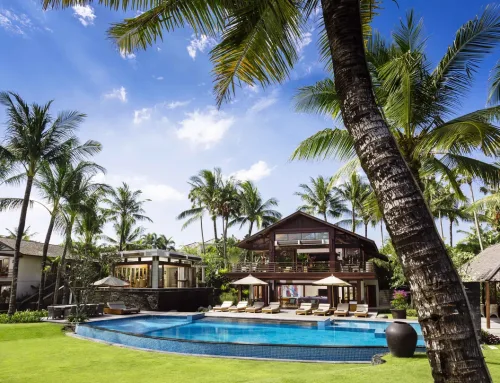
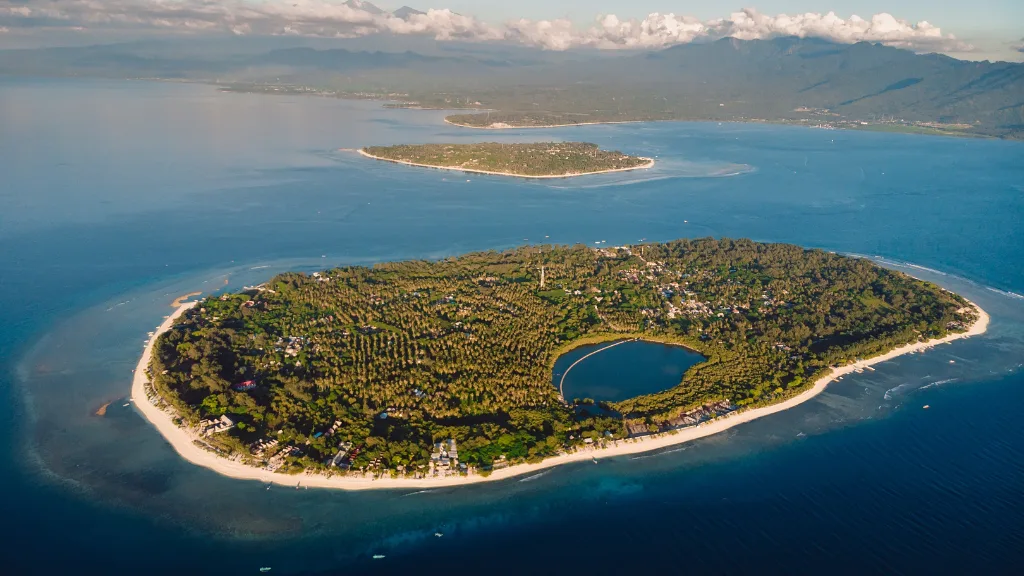
Many of Elite Havens’ Lombok villas line the calm northwest coast around Sira Beach, looking west across the channel to where the three Gili Islands seem to float just offshore. Villa Sapi, with its modern architecture, and The Anandita, a sprawling beachfront acreage are especially popular.
The setting is what gives a stay here its particular magic. Mornings begin slowly: staff bring locally-sourced coffee, brewed exactly how you like it, to your spot on the terrace. You sip it while admiring the changing light over the Gilis and Bali island beyond, then closing your eyes to the soundtrack of birdsong and gentle waves lapping the sand. The day ahead can be as adventurous as chasing waterfalls and hiking volcanoes with a private guide, or as languid as drifting from pool float to daybed, and back again.
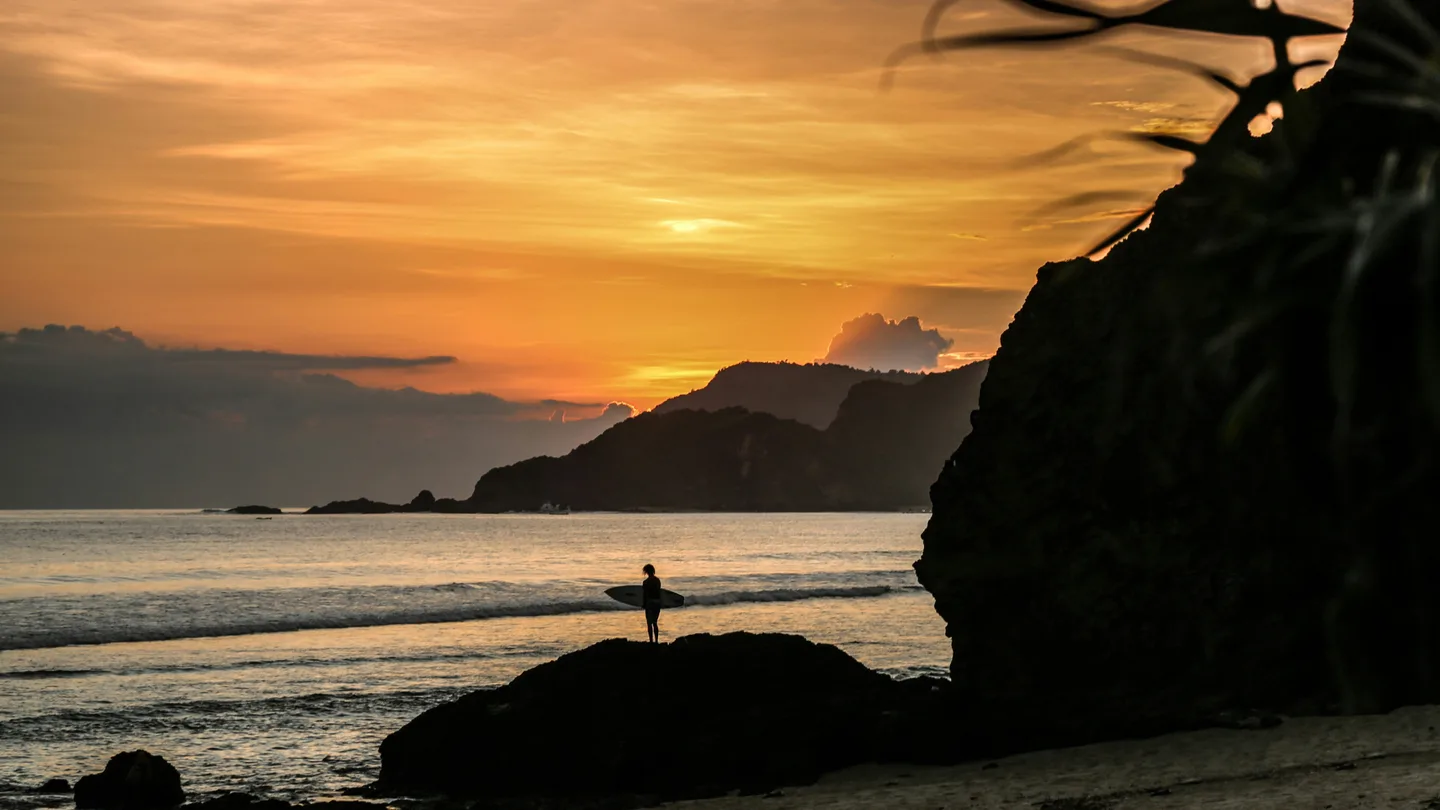
As the afternoon cools, the light turns gold across the water, and the evening arrives. Bali’s volcanic peaks cut a long blue silhouette against a sky going pink and orange. Dinner appears on the terrace exactly when you want it, with a Villa Manager and dedicated staff dissolving every logistic before you even notice.
Dramatic Clifftop Villas in Lombok
Not every Lombok holiday is defined by sand between your toes. Along the island’s quieter northern coastline, a handful of exceptional clifftop villas offer a different perspective entirely: one suspended above the sea, where mornings begin with sweeping ocean panoramas and evenings unfold beneath spectacular sunsets.
Perched high above the coastline, Villa Leq Bale and Villa Kukenan embrace the tranquillity of Lombok’s hillsides, their expansive terraces and infinity pools framing uninterrupted views across the Lombok Strait. Days here move to a gentler rhythm. You wake to the sound of waves below, spend languid afternoons watching fishing boats trace silver lines across the water, and gather for sunset cocktails as Bali’s volcanic peaks emerge in silhouette against the fading sky.
Nearby, Malimbu Cliff Villa occupies one of the island’s most coveted vantage points along the scenic Malimbu headland. The setting feels wonderfully secluded, yet remains within easy reach of Sira Beach, the Gili Islands and Lombok’s northern waterfalls. For travellers seeking privacy, dramatic scenery and a sense of complete escape, Lombok’s clifftop villas offer a compelling alternative to a beachfront stay, proving that some of the island’s most memorable moments are found not at the water’s edge, but high above it.
-
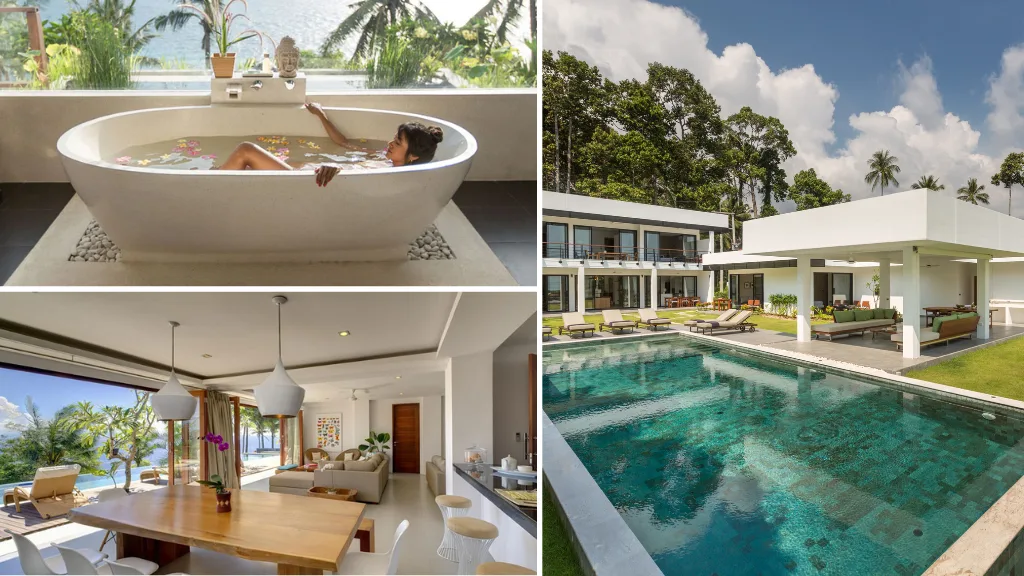
Malimbu Cliff Villa
-
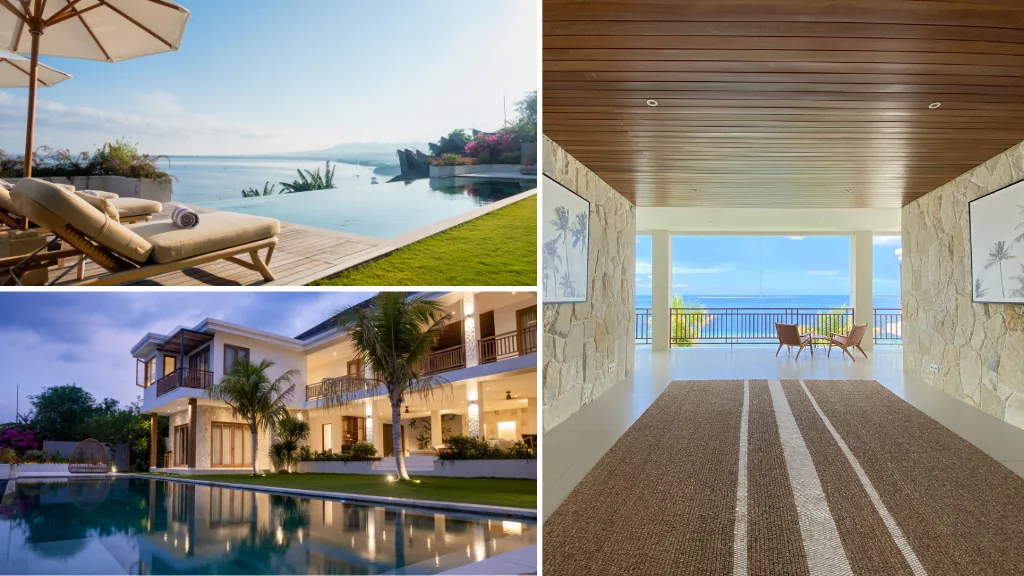
Leq Bale Villa
-
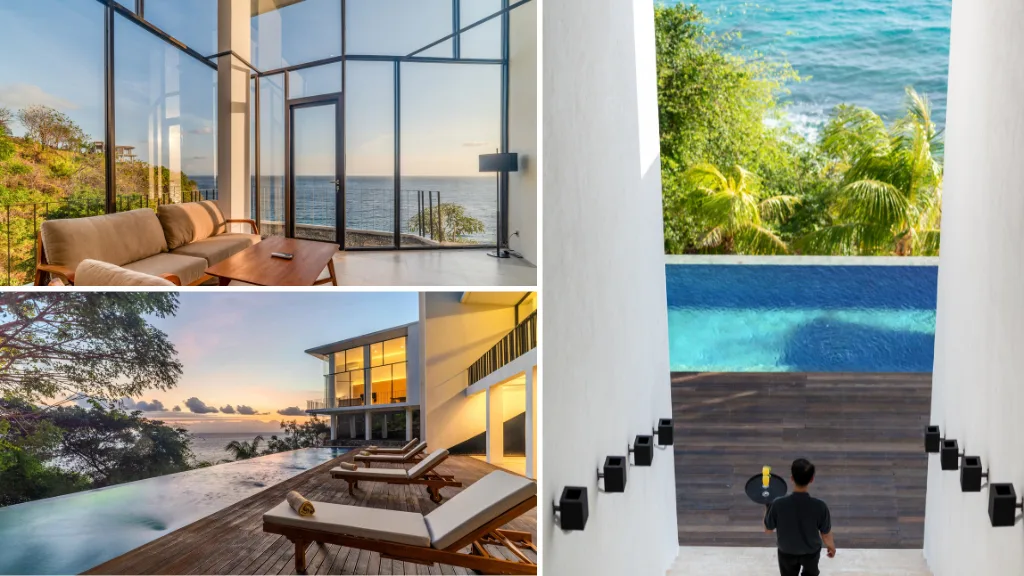
Villa Kukenan
Excursions Worth Leaving the Villa For
When curiosity stirs, the Elite Concierge can arrange the very best Lombok excursions, then deliver you home to cold towels and a chilled drink by mid-afternoon.
The Gili Islands
A short boat ride from Sira beach is the most tempting day trip of all. The three Gilis are car-free and ringed by reefs known for their abundant sea turtles. Snorkeling here is superb, with colorful corals and enchanting underwater statues to explore. Go early, before other day-trippers, and the underwater world feels entirely your own. A private boat brings you back whenever you choose.
Mataram and the Sasak Heartland
For a taste of everyday Lombok, the island’s capital, Mataram, and the villages around it offer markets, temples and centuries of Sasak craft. Stop at the famous weaving villages of Sukarara or Sade to watch women weavers create ikat masterworks on traditional backstrap looms, or try your hand at pottery in the village of Banyumulek, where terracotta is still thrown and fired by hand.
Mount Rinjani, for the Intrepid Traveller
May and June are among the best months of the year to climb Lombok’s great volcano. The Mount Rinjani trekking routes close each wet season and reopen on the first of April. By late spring the trails are freshly green from the rains yet stable and clear underfoot. The full summit trek is a demanding two- or three-day undertaking on a limited daily permit, with genuinely cold nights at altitude, so it suits the seriously intrepid. Those wanting the drama without the climb can opt instead to see the majestic nearby waterfalls of Sendang Gile and Tiu Kelep, arranged through the concierge as a long day out from the villa.
Lombok’s Festivals and Cultural Calendar
Lombok’s cultural calendar follows the Sasak people and the lunar year, so its set-piece festivals don’t always fall within the dry-season travel window. The island’s most famous is Bau Nyale, the sea-worm festival celebrated on the southern beaches near Kuta. Rooted in the legend of Princess Mandalika, it takes place in February or March each year, timed to the Sasak calendar and the brief appearance of the nyale worms — placing it squarely in the wet season rather than the dry.
Yet, the May-June visitor is still likely to encounter a Nyongkolan. Throughout the year, and especially on weekends, newly married Sasak couples are paraded beneath ornate umbrellas through their villages in full traditional dress, accompanied by gamelan and the deep thunder of gendang beleq drums, while relatives carry baskets of fruit and other goods for the ceremony. Should your car be briefly held up by one on the road to Mataram, count yourself lucky, pull over, and watch this joyful living tradition pass by.
FAQs: The Best Time to Visit Lombok
What is the best time of year to visit Lombok?
The best time of year to visit Lombok is the dry season, from April to October. For the ideal balance of fine weather, green hills and low crowds, late May and early June stand out.
When is the dry season in Lombok?
Lombok’s dry season runs from roughly April to October, with July and August the driest and sunniest months, but also the busiest in terms of international visitors. Still, Lombok only gets a fraction of the tourists going to other islands.
Can you climb Mount Rinjani in May or June?
Yes. Mount Rinjani’s trekking routes reopen on 1 April after the annual wet-season closure, and May and June are considered some of the best months to climb. Permits are limited daily, so book ahead.
Why stay in a luxury villa in Lombok?
Lombok luxury villas offer privacy, space and dedicated staff including a private chef, Villa Manager and concierge. On Lombok’s northwest coast around Sira Beach, the villas look out across the channel to the Gili Islands, making the villa itself the centre of the holiday, with iconic Lombok excursions arranged seamlessly around it.