Summary: Transformative travel is more than a holiday. It’s every journey that reshapes your perspective, identity, and relationships. Unlike conventional vacations, transformative travel blends intentional experiences with psychological growth, offering travellers a chance to return not just rested, but renewed, and with a fresh outlook.
Who This Guide Is Designed For
This guide is designed for:
- Travellers seeking more meaningful holidays
- Solo travellers looking for personal growth
- Wellness travellers planning restorative escapes
- Couples searching for deeper travel experiences
- Luxury travellers who value immersion over sightseeing
- Anyone curious about the lasting impact of transformative travel
Transformative travel is a trip taken with the subconscious intention of personal change, not just rest. It often differs from a typical getaway by involving discomfort or novelty significant enough to disrupt habitual thinking. It includes time and space, or reflection, and it produces a shift that outlasts the trip itself, in perspective, priorities, confidence, or self-understanding.
But it is not limited to a particular format of travel. Any journey can be transformative if you only take the time to observe. Look up from your screens, and actually see. Hear the sounds, feel the wind, allow your thoughts to float, without stimulating them constantly with a scrolling feed.
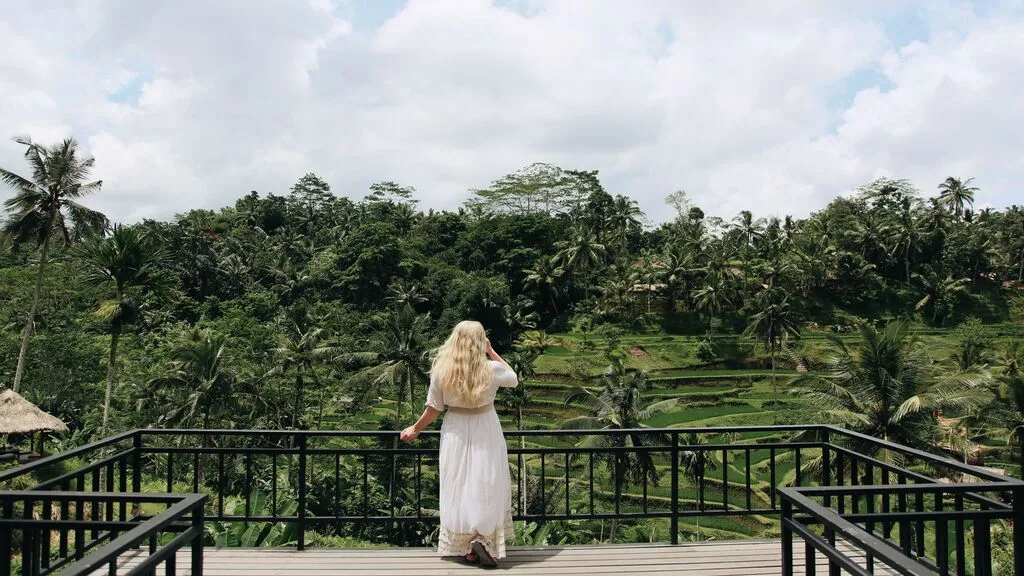
Jacomijn Heupink, founder of Zinvol Reizen, a small-group travel company based in the Netherlands specialising in meaningful walking trips and reflective round trips across the globe, shares that transformative travel is not just about ticking off destinations. “It’s travel with a purpose that goes deeper than sightseeing: walking a pilgrimage route for weeks on end, sitting with silence in a place far from your daily routine, or simply removing yourself from everything familiar long enough to hear your own thoughts again and travel to come closer to yourself. It’s less about where you go and more about what the journey does to you internally.”
The effects of a journey that touches you deeply can be humbling. Research consistently links travel to increased openness, resilience and life satisfaction, particularly when the trip involves unfamiliar culture, physical challenge or solitude. The common thread across pilgrimage walks, silent retreats, solo expeditions, and immersive cultural exchanges is the same: distance from routine creates room for insight that routine itself doesn’t allow.
Why Transformative Travel Changes the Mind
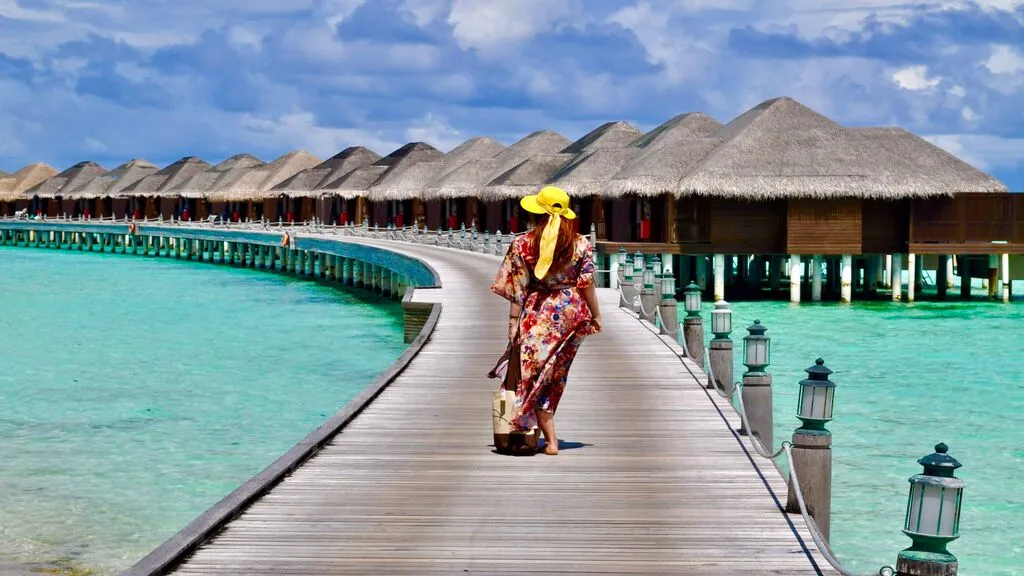
Beneath the desire for a ‘nice holiday’ is usually something more specific—permission to slow down, evidence that we can handle the unfamiliar, or simply quiet enough to hear our own thoughts again. As Jacomijn puts it, “People are overstimulated in this world. Constant connectivity, work pressure, and the pace of daily life leave little room for reflection. Travellers are not looking for a five-star resort; they’re looking for space to think, to walk, to feel something unfiltered. Many arrive at a turning point: a burnout, a career change, a loss, or simply a growing sense that their life has become too full and too fast. They’re seeking clarity, not escape.”
Transformative travellers tend to weigh the pursuit side heavily; they are not just leaving something behind; they’re moving toward a version of themselves they haven’t met yet.
Transformative Travel vs a Traditional Holiday: What’s the Difference?
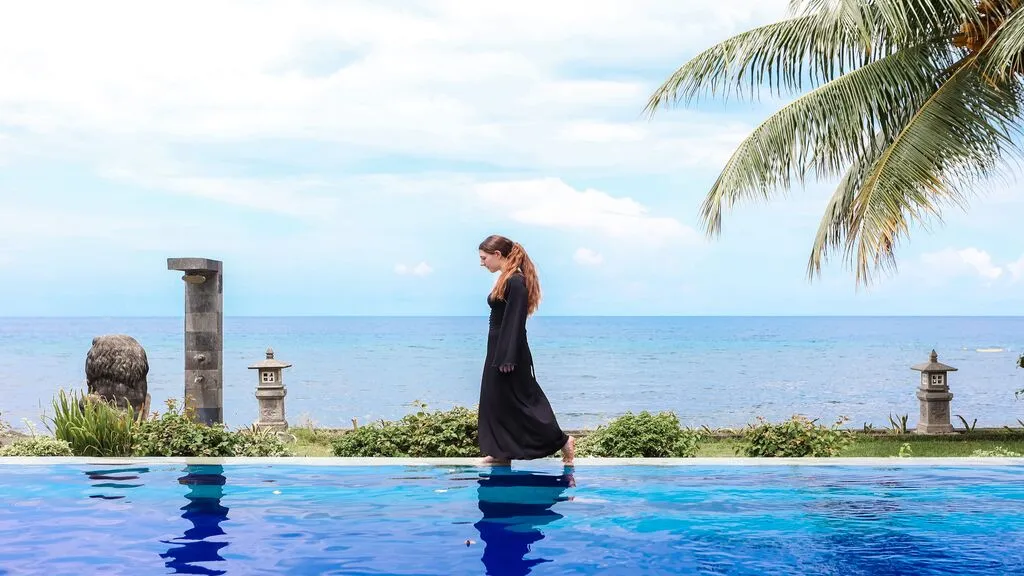
A vacation restores you to your baseline. A transformative trip moves the baseline itself. The difference often comes down to structure: vacations are typically passive and comfort-seeking, filled with familiar pleasures, while transformative journeys build in friction—a physical challenge, an unfamiliar ritual, extended silence, or genuine cultural immersion. Comfort has its place, but growth research consistently shows that meaningful change tends to follow moments just outside the comfort zone, not deep inside it.
How Destinations Shape Transformative Travel
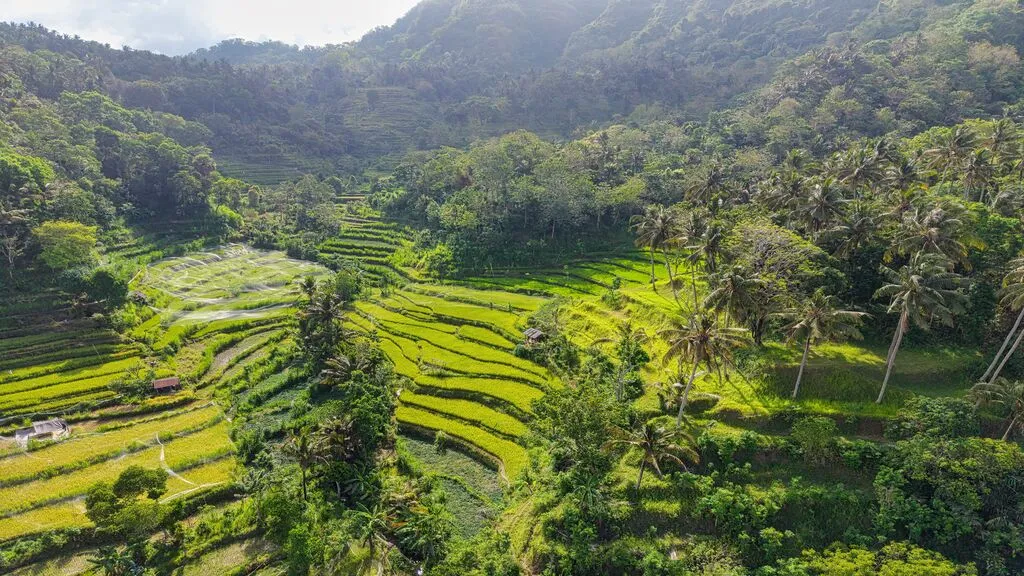
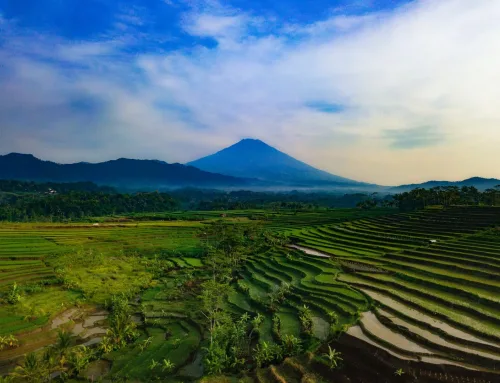
Environmental psychology backs up what travellers have always intuitively known: place changes the mind. Natural landscapes lower cortisol and improve mood within minutes of exposure. Unfamiliar cultural settings force the brain out of autopilot, sharpening awareness and memory formation. This is why the destination isn’t incidental to a transformative trip—a jungle hillside in Ubud, a clifftop over the Bukit Peninsula, or a temple town in Sri Lanka each produces a different psychological effect, and choosing well matters as much as choosing to go at all.
Types of Transformative Travel Experiences
Solo travel
Solo travel strips away the social roles we default to—parent, colleague, partner—and replaces them with unstructured time and self-reliance. Many solo travellers describe the specific moment of eating alone in public or navigating an unfamiliar city as the point where their confidence visibly shifted. A private villa suits this style of travel particularly well: a self-sufficient one- or two-bedroom retreat like Villa Catur at the Pala Ubud, tucked into Bali’s jungle hillside with its own pool and staff, offers the solitude solo travel requires without the isolation of a hostel bunk or hotel corridor.
More than a decade ago, Anna Beatie, a UK-based practising mental health nurse, embarked on her first solo trip to Kenya and Tanzania (Zanzibar) that would change her outlook towards travel forever. “I chose this trip because I had a lifelong love for animals and David Attenborough, making a safari a major bucket-list dream. More importantly, after missing out on trips during my early twenties due to illness and anxiety, I needed to prove to myself that I was capable of stepping outside my comfort zone. On a Kenyan safari through Masai Mara, Amboseli, Lake Nakuru, and Lake Naivasha, I had the rare thrill of seeing a cheetah with five 3-month-old cubs. In Zanzibar, I explored Stone Town with a guide, swam with wild dolphins, and spotted rare red Colobus monkeys. This experience completely shattered my fear of travel, built my self-belief, and ignited an enduring passion for exploration.” For Beattie, this holiday served as the crucial gateway to far greater independent adventures that led her to undertake a road trip in a car from England to Siberia and back, and navigate an autorickshaw across India into the Himalayan foothills.
Walking pilgrimages
Trekking that relies on repetitive physical movement to quiet mental noise is a phenomenon researchers call ‘walking meditation’. The physical fatigue of a long trek strips away performative thinking and leaves something more honest underneath. Jacomijn recommends the Camino de Santiago as the classic entry point; it is well structured, well supported, and still deeply personal. Travellers looking for something similar along the coast, with a different rhythm, can check out the Fishermen’s Trail, a wild coastal journey along Portugal’s Atlantic Cliffs, where walking ancient fishing paths through remote villages and untamed landscapes creates the space for deep reflection, resilience and personal transformation.
Cultural immersion
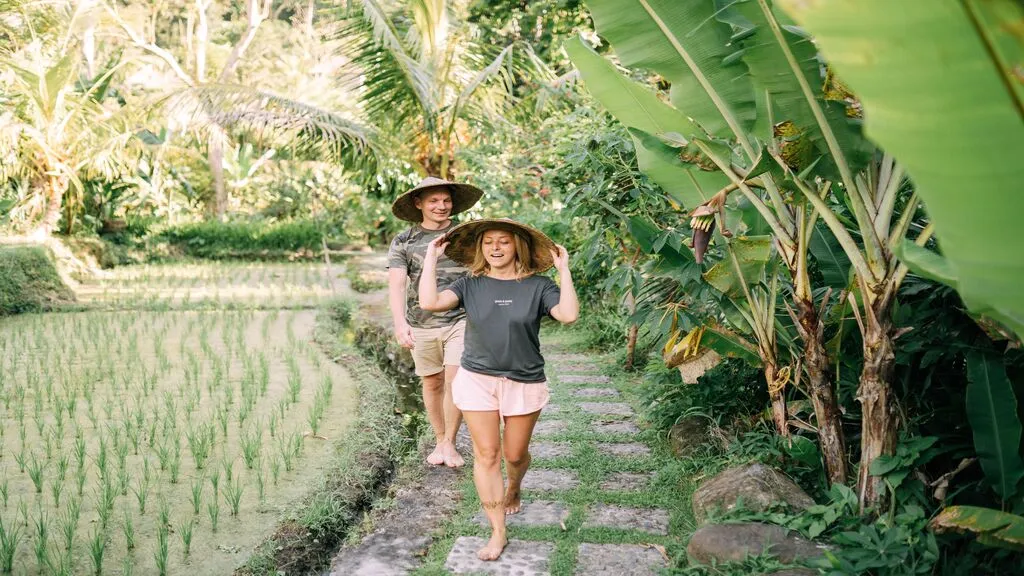
This type of transformative travel works differently: it confronts assumptions directly by placing travellers inside rituals, cuisines and belief systems unlike their own.
It was 2010 when, on a quiet night shift in the UK, Jason, along with his colleague, decided to sign up for a volunteer tour in India. A decision taken on the spur of the moment led Jason and his colleague to Kerala, where they helped at a school for children with learning disabilities. Jason shares, “Up until then, I’d never really travelled beyond Europe. My holidays had mostly been to places like Majorca and Benidorm; these were typical beach holidays centred around sunshine, water parks and relaxing. The trip to Kochi, Kerala, in south India, introduced me to a family-run homestay with around 12 other volunteers from different countries, with different backgrounds and values, and we all had our own reasons for being there, which made the experience even more enriching.”
For Jason, the biggest part of the experience was living with a local family and immersing himself in Indian culture. “It made me realise that travel could be about so much more than a holiday. Opening my mind, it gave me confidence, and sparked a genuine curiosity about other cultures and people. The trip also taught me to appreciate simplicity, be more open-minded, and embrace experiences rather than possessions. Looking back, that decision made on a quiet night shift in 2010 ended up changing the course of how I see travel and how I see myself.”
In Southeast Asia, Ubud remains one of the clearest examples, a town where a Balinese water purification ceremony at a temple like Pura Mengening or a visit to a traditional healer sits alongside everyday village life rather than being staged for tourists.
Meditative and wellness retreats
These are the most structured route to transformation, pairing guided practice with deliberate rest. This is where villa design becomes genuinely relevant rather than incidental—spaces built with yoga terraces, riverside lawns or private spa pavilions remove the logistical friction that usually derails a wellness intention. Elite Havens’ Villa San in Ubud, for instance, has a Buddhist stupa and dedicated yoga terrace tucked into a quiet corner of the ground, alongside a loft studio for painting and a telescope for night reflection—the kind of setting that supports both structured practice and unplanned stillness. On Bali’s southwest coast, Elite Havens’ Sohamsa Ocean Estate overlooks a sea temple on volcanic rock, with its own gym, sauna, and massage room built directly into the villa, allowing a wellness routine to unfold without ever needing to leave the property.
What Does Transformative Travel Actually Feel Like?

On journeys like these, what changes isn’t the destination’s postcard version but the travellers’ relationship to their own pace. Guests returning from jungle estates like Elite Havens’ Pala Ubud frequently mention the same shift: farm-to-table meals eaten slowly, riverside yoga sessions with no set end time, and the absence of screens creating space they didn’t know they needed. The scenery alone rarely does the work—it’s the unhurried structure around it.
The Journey Doesn’t End When You Return Home
The true measure of transformative travel isn’t how many countries you visit or photographs you take; it’s what quietly changes after you return. Perhaps you become more patient, more curious, or more comfortable with uncertainty. Maybe you rediscover creativity, reconnect with loved ones, or simply realise that slowing down is a choice, not a luxury.
While no destination can promise transformation, the right environment can create the conditions for it. A secluded villa surrounded by rice terraces, a sunrise yoga session overlooking the ocean or an unhurried conversation with a local guide may seem like small moments at the time. Yet, these are often the experiences that stay with us longest, gently reshaping how we see ourselves and the world.
At its heart, transformative travel isn’t about escaping everyday life. It’s about returning to it with greater clarity, renewed perspective, and a deeper appreciation for what matters most.
FAQs About Transformative Travel
What is transformative travel?
Transformative travel is a style of travel that encourages personal growth through meaningful experiences, cultural immersion, reflection, or physical challenges. Unlike traditional holidays focused primarily on relaxation, transformative travel often leaves travellers with lasting changes in perspective, confidence or priorities.
How is transformative travel different from a regular holiday?
While a holiday is typically designed for rest and recreation, transformative travel intentionally creates opportunities for self-discovery through unfamiliar environments, deeper cultural connections and reflective experiences.
Does transformative travel have to involve solo travel?
No. Although solo travel can encourage greater self-reflection, transformative travel can also happen during family holidays, wellness retreats, cultural journeys or even romantic escapes. The intention and openness to new experiences matter more than the type of trip.
What destinations are best for transformative travel?
Destinations that combine natural beauty, cultural richness and opportunities for reflection often lend themselves well to transformative travel. Places such as Ubud in Bali, India’s cultural heartland, and long-distance walking routes like the Camino de Santiago are popular examples.
Can a luxury holiday also be transformative?
Absolutely. Luxury and transformation are not mutually exclusive. A thoughtfully designed villa stay with space for rest, wellness, cultural immersion and meaningful experiences can be just as life-changing as a physically demanding expedition.
How can I make my next holiday more meaningful?
Simple practices such as slowing down, limiting screen time, engaging with local communities, embracing unfamiliar experiences and allowing time for reflection can help turn almost any journey into a more transformative one.