Summary: Japan is one of the most desirable travel destinations: the country’s natural beauty, culinary scene, and renowned ‘omotenashi’ hospitality draw visitors from around the world. However, Japan’s cultural differences may seem a daunting barrier between travellers and authentic experiences. This guide provides travel tips for first-time and frequent travellers to Japan seeking to navigate local customs with confidence.
This Guide Is Designed For:
- First-time travellers to Japan
- Tourists seeking to travel responsibly and respectfully
- Families planning a Japan holiday who wish to navigate local customs with confidence
- Niseko enthusiasts looking for authentic experiences in Japan
As tourism in Japan booms, one of the greatest ways to stand out is to blend in. Observing local customs can transform a standard holiday into a deeply welcoming experience. Below are a few easy tips to avoid cultural missteps and to open doors to a more authentic level of Japan’s famed omotenashi hospitality.
Tip 1: Read the Air
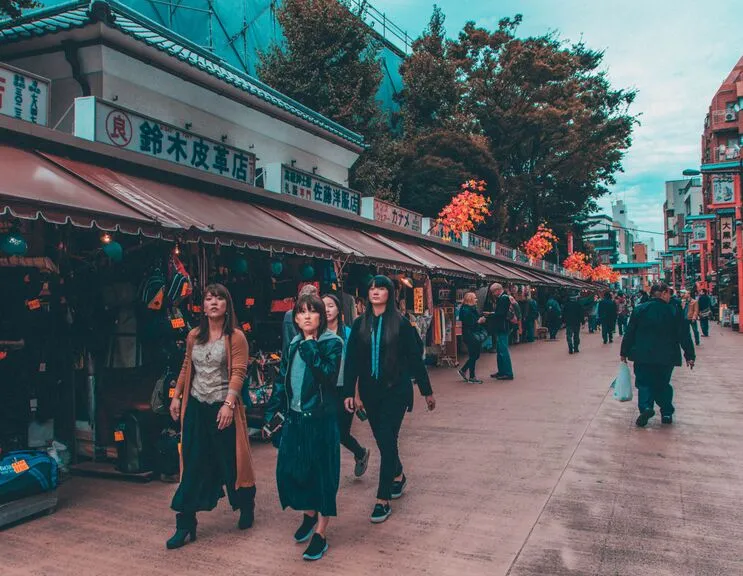
The considerate traveller can avoid breaches of Japan’s cultural customs and etiquette by embracing the Japanese phrase of kūki o yomu. Translated literally, kūki o yomu means “to read the air”.
In the highly contextual culture of Japan, this means not to focus solely on what is said or what is written, but on the atmosphere and the unspoken social rules on behaviour.
The challenging nature of unspoken social rules, however, is that they are unspoken. Whenever unsure of how to carry oneself, the best is to simply follow the lead of locals.
Tip 2: Behave Mindfully in Public
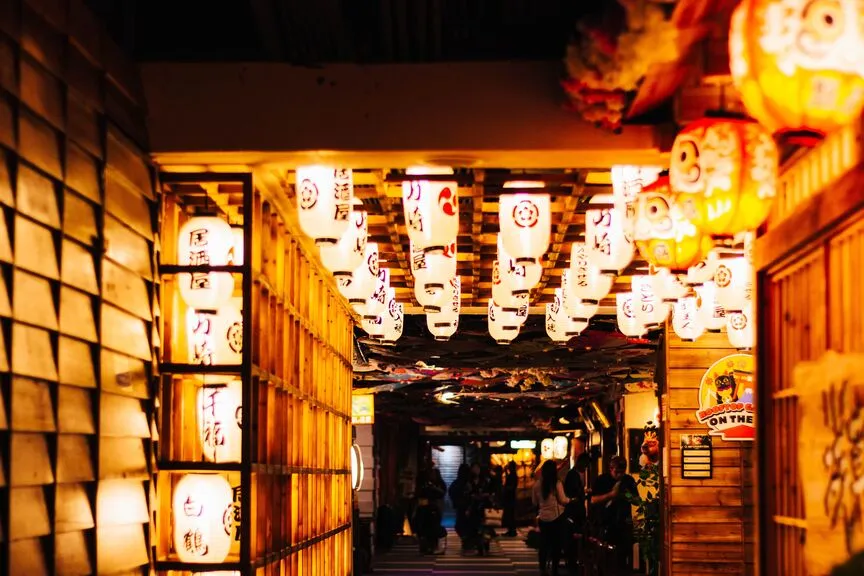
There exists an almost reverent silence in many of Japan’s shared spaces, such as public transport. Local trains stand in contrast to those of New York or Hong Kong as, even during the chaos of rush hour, the quiet is seemingly only interrupted by conductor’s announcements or the occasional hushed conversation. Called ‘Manner Mode’, travellers are encouraged to turn off their phone ringers and volume, and to talk amidst themselves in hushed tones, so as not to disturb others.
However, mindfulness is not always silence. Instead, it is a reading of the air and an understanding of exactly when the social expectations shift and allow for a more boisterous energy.
Lively izakayas, karaoke rooms, public parks, or even the powder runs of Niseko all exist as perfect spaces to unwind and enjoy the moment.
Tip 3: Follow Japanese Household Rules
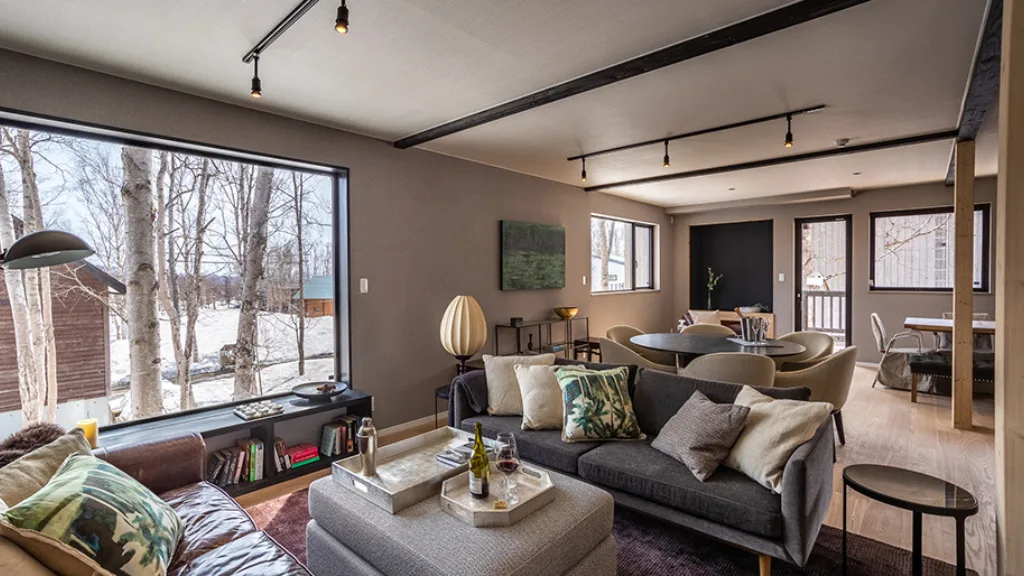
Respecting the rules of Japanese homes is an integral part of day-to-day life. Japanese homes are often meticulously clean. The entrance space of Japanese homes, or the genkan, serves as a place to remove one’s shoes, separating the clean inside of the home from any dirt that would have otherwise been tracked indoors.
Maintaining a pristine home extends to daily habits through Japan’s rigorous waste sorting system, as all rubbish is to be sorted into various categories for recycling and proper disposal.
Tip 4: Observe Onsen Etiquette
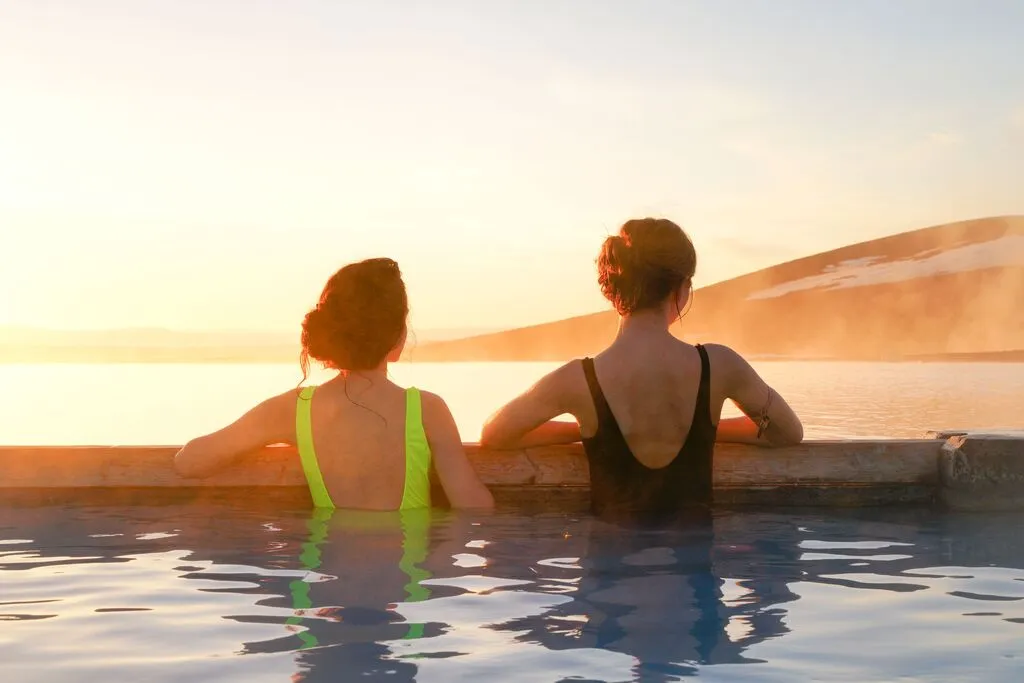
Japan’s deep culture of wellness is rooted in the onsen, and these natural hot spring-fed public baths are a must for any Japan itinerary.
Onsen rules and cultural expectations can feel intimidating, but common missteps can be easily avoided by observing any displayed rules and following the guidelines below:
- Bathe thoroughly: Showering at the onsen’s provided shower stations before entering the onsen water will remove any loose hair or dirt, keeping the water clean for other visitors.
- Bring a towel: Many onsen do not provide towels, though they may be available for purchase. Many opt to cover up with a small modesty towel, or a tengui, when in shared spaces. This towel must never touch the bathwater. When bathing, the tengui may be folded and placed on the head.
- Tie up hair: One’s hair must never touch the bathwater. Do not submerge the head, and those with longer hair should tie their hair up so that it does not make contact with the bathwater.
- Exercise courtesy: The onsen is a space for shared relaxation. Refrain from swimming, splashing and other behaviours which may destroy the tranquil atmosphere.
- Observe rules: Many onsen display rules whose intent may not be well understood by international visitors, but which remain culturally relevant to the Japanese. Please follow any posted rules regarding tattoos, open containers and photography.
Families with young children may prefer to book one of Elite Havens’ villas with an onsen-style bath, or to reserve a private onsen near their chalet for a shared, secluded experience.
Tip 5: Be a Gracious Guest
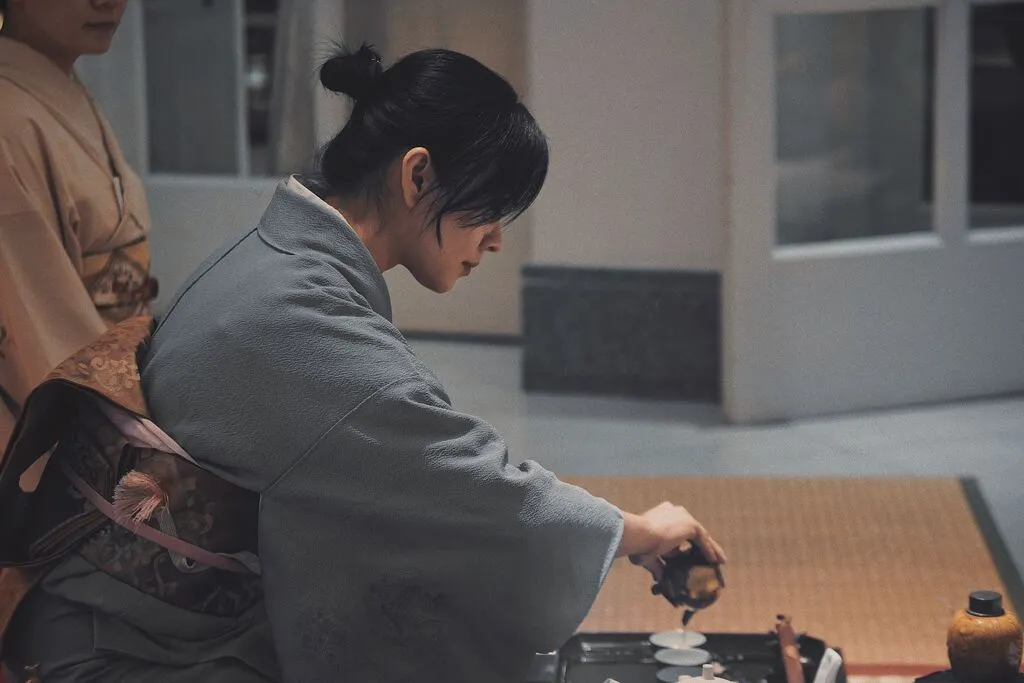
It is important to remember that travellers are visitors within this nation, and that cultural differences often mean there is no expectation of absolute perfection. Putting in the effort and striving to be a gracious guest will often make up for all but the most severe breaches of etiquette.
Not only that, but a bit of kindness, a few memorised Japanese phrases (or even a translation app) and a generous amount of patience will open doors to different sides of Japan that most travellers will never see. There is nothing better than learning the culture firsthand.
FAQs: Following Japanese Etiquette
Is Japan really a non-tipping culture?
Generally speaking, the Japanese service industry does not have a tipping culture, and there is no expectation of tips. Counterintuitively, tipping can be burdensome to servers as it is not unheard of for servers to chase their patron down the street to return a tip mistakenly believed to be forgotten cash.
In Niseko, however, tipping is a grey area. It is not expected or required, but the international influence has made tipping less of a faux pas. In cases of exceptional service, one may tip their server, instructor, bartender or guide as a gesture of thanks.
Where are all of the bins?
For a country famous for its cleanliness, public bins are shockingly uncommon throughout Japan. Niseko is no exception, as there are only a handful of locations in the Niseko area with public waste bins. Travellers should expect to carry their trash home from any items purchased whilst out and about, or to return their rubbish to the point of purchase for disposal.
Can I eat in public in Japan?
Another key etiquette tip for convenience store purchases is to avoid walking and eating. This is seen as exceptionally rude as any accidental spills or drops will soil the public sidewalk and be very difficult to clean.
How do private chalets provide a better experience over hotels?
Plainly stated: privacy, space, and peace of mind. The extra space and privacy provided by a villa gives one comfort knowing that the whirr of a coffee grinder on an early morning, the booming sound of a late-night action movie, or a summer evening chat around a barbecue will not disturb others staying in a neighbouring hotel room.
Furthermore, Elite Havens’ chalets provide dedicated parking spaces allowing for convenient usage of hire cars. This provides families with a level of flexibility not provided by shuttle bus timetables, and opens far reaches of Hokkaido for exploration.
How can I be a mindful traveller in Japan?
The best way to avoid missteps is to simply take in the world around you and follow the lead of the Japanese locals. Japan is a socially reserved nation: when in doubt, err towards the conservative side.
What are Niseko summers like?
Hokkaido is one of the Japanese market’s most popular travel destinations thanks to its cool summers, delicious farm-fresh foods, and its plethora of activities.
Elite Havens’ chalets throughout Niseko serve as ideal jumping-off points for all sorts of Hokkaido adventures. The Elite Havens Concierge highly recommends summer trips to Niseko to those looking to experience the Japanese countryside for the first time, and to frequent winter travellers looking to see a new side of this magical place.