Summary: Niseko’s legendary powder snow is reason enough to plan a winter escape to Hokkaido. But are you worried that El Niño can affect snowfall? While true for other parts of Japan, Niseko benefits from a distinctive microclimate that helps it accumulate extraordinary amounts of snow, despite El Nino. For skiers dreaming of deep powder, it remains one of Japan’s most compelling winter destinations.
Why is Niseko’s microclimate so good for powder snow?
Niseko’s exceptional snowfall is not simply a matter of being in a cold part of Japan. Its position relative to Siberia, the Sea of Japan and Hokkaido’s mountains creates a particularly effective snow-producing system.
In winter, cold air moves east from Siberia and crosses the Sea of Japan. As it travels over the water, it absorbs moisture and forms clouds. When these moisture-laden air masses reach Hokkaido and rise over the mountains surrounding Niseko, the air cools and releases its moisture as snow.
Three factors make this especially favourable for powder skiing:
- Cold continental air: Siberian weather systems deliver the freezing temperatures needed to preserve light, dry snow.
- A moisture-rich crossing: The Sea of Japan supplies the moisture that fuels frequent winter snowstorms.
- Mountain-enhanced snowfall: Hokkaido’s terrain encourages rising air and snowfall, helping build the deep snowpack for which Niseko is famous.
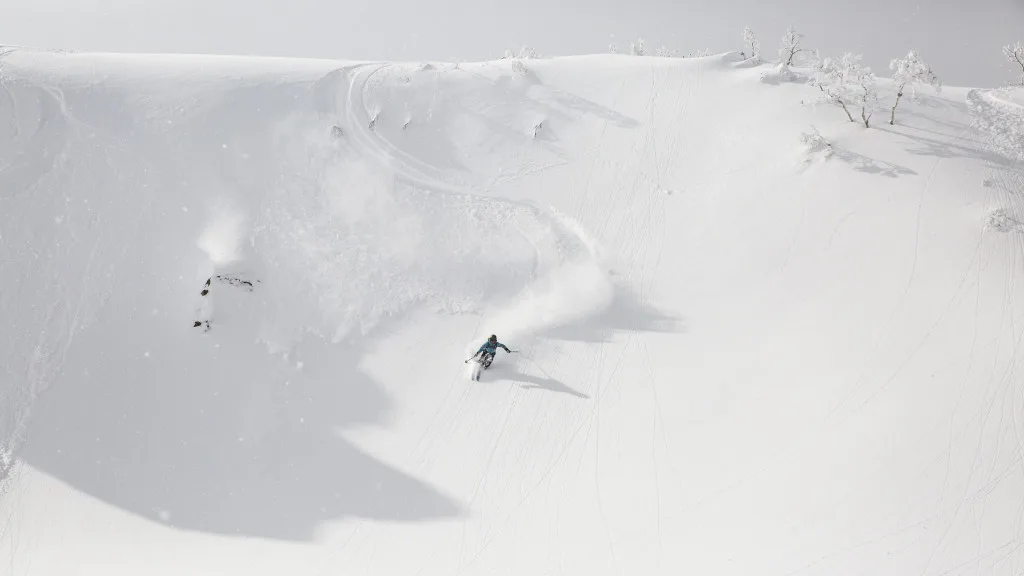
Together, these factors create Niseko’s distinctive local winter climate. The result is Japow — the light, fluffy powder that draws skiers and snowboarders from around the world.
This matters when considering El Niño. The phenomenon influences large-scale atmospheric and oceanic conditions, but it does not switch off the local processes that generate Niseko’s snow. When cold air, moisture and favourable winds align, substantial snowfall remains possible even in an El Niño winter.
Does El Niño really make a difference to Niseko snowfall?
Niseko’s northern location and exposure to cold-air outbreaks from Siberia give it a different snowfall profile from some ski areas farther south in Japan. While warmer conditions can affect the timing of snowfall and the duration of the season, Niseko’s local weather systems continue to play a major role in determining how much snow falls.
How much snow can Niseko get during El Niño?
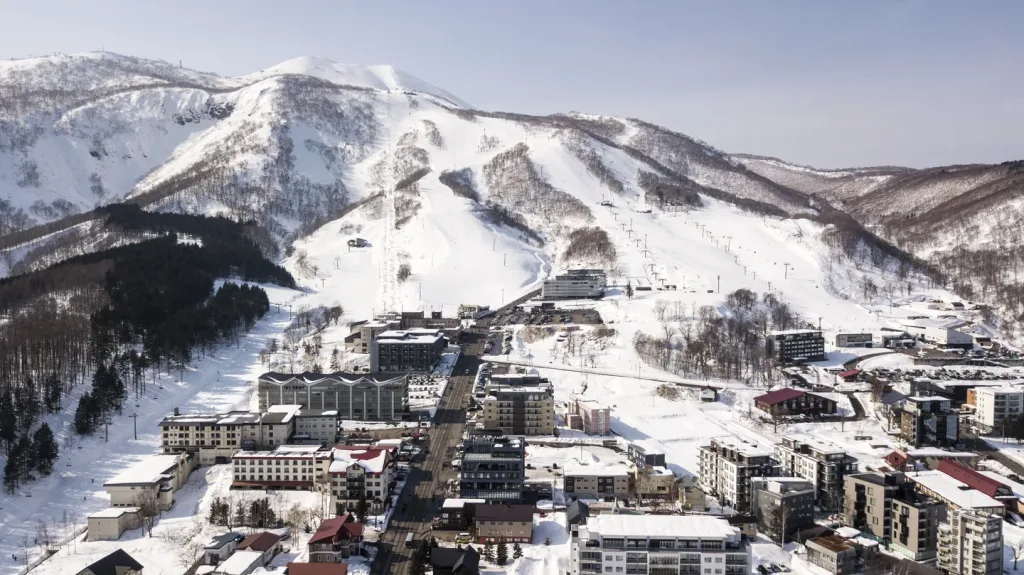
Niseko’s historical snowfall offers a useful illustration of why the destination remains attractive to powder seekers. During the 2015–2016 season, which coincided with a major El Niño event, Niseko recorded 989 cm of snowfall at the Grand Hirafu base — nearly 10 metres. It is a striking example of how much snow the region can receive during an El Niño winter.
Of course, one season does not establish a guarantee for the next. Snowfall totals vary, and measurements at the base differ from those recorded higher on the mountain. Nevertheless, the historical figure demonstrates that El Niño does not necessarily prevent Niseko from experiencing a substantial snow season.
For skiers, that is the more useful takeaway: the Pacific climate pattern alone does not determine whether Niseko will deliver the powder holiday they are hoping for.
When should you visit Niseko for the best powder?
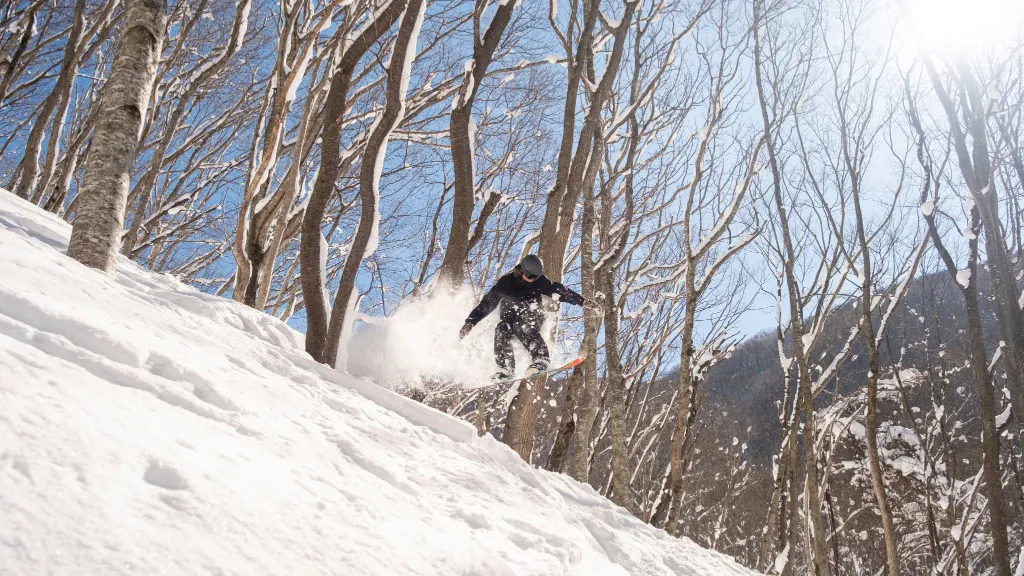
January and February are generally the best months to target for Niseko’s signature powder conditions. These are the heart of winter, when cold temperatures and recurring snowstorms typically support excellent skiing and snowboarding.
- Late November to early December: The season begins, but snow cover and opening conditions can be less predictable.
- Mid-December to late December: Winter conditions build, with a festive atmosphere around Christmas and New Year.
- January: A prime period for cold temperatures, frequent snowfall and fresh powder.
- February: Another excellent month for powder skiing, with deep snow often continuing through the height of winter.
- March: Longer days and clearer weather can be appealing, although warmer temperatures may make snow conditions more variable.
Why pair Niseko’s powder with a private luxury chalet?

The appeal of a Niseko ski holiday extends beyond the mountain. After a day spent carving through fresh powder, you want somewhere to warm up, relax and enjoy the company of the people you travelled with.
A private chalet makes that part of the experience just as rewarding. Families can settle into their own space, friends can gather after a day on the slopes, and everyone can enjoy a more relaxed rhythm than a conventional hotel stay allows. Depending on the property and services available, you can tailor the experience around private dining, local discoveries and leisurely evenings.
With Elite Havens, the idea is to make your winter escape feel like your own. Spend your days exploring Niseko’s famous slopes, then return to a welcoming private retreat where the mountains, the company and the time together are all part of the holiday.
Explore Elite Havens’ luxury ski chalets in Niseko to start planning your next winter escape.
Frequently asked questions about Niseko and El Niño
Is Niseko snow affected by El Niño?
The rest of Japan’s ski areas in the south are far more affected than Hokkaido. Niseko’s distinctive microclimate and exposure to cold, moisture-laden winter winds help sustain its reputation for substantial snowfall.
Why does Niseko get so much snow?
Cold Siberian air crosses the Sea of Japan, collects moisture and moves towards Hokkaido. As the air rises over Niseko’s mountainous terrain, it cools and releases snow. This combination of cold temperatures, moisture and topography helps create the region’s famous powder.
Does Niseko still get deep powder during El Niño?
Yes, deep powder is possible during El Niño winters. Niseko recorded 989 cm of snowfall at the Grand Hirafu base during the 2015–2016 season, which coincided with a major El Niño event. Future snowfall totals will vary, but El Niño does not automatically mean a lack of powder.
Is Niseko more snow-reliable than ski resorts on Honshu? Is Niseko more snow-reliable than ski resorts on Honshu?
Niseko benefits from Hokkaido’s northern location and its exposure to snow-producing winter systems from the Sea of Japan. However, snowfall varies across Japan and from year to year, so comparisons depend on the resorts, elevations and seasons involved.
What is the best month for a Niseko ski holiday?
January and February are generally the strongest months to target for powder skiing. December can also offer excellent conditions, particularly later in the month, while March brings longer days and potentially more variable snow.
Should I book a Niseko chalet before the winter forecast is clear?
Yes, Elite Havens’ data suggests that demand can be particularly high for January, February and the Christmas and New Year period. Booking early gives you a better choice of accommodation.
Ready to chase the powder? Discover Elite Havens’ Niseko chalets and plan a Japan ski holiday that combines