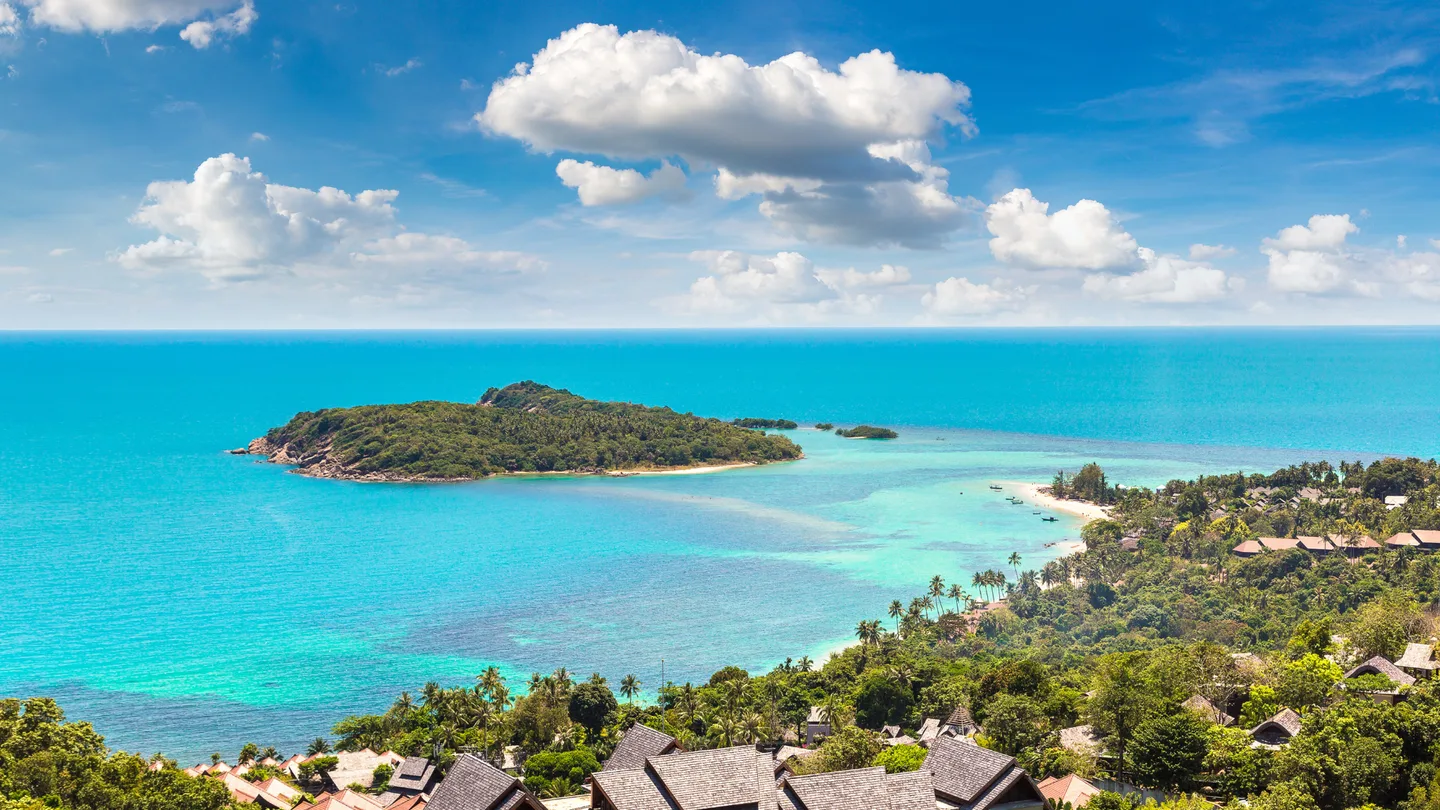
Summary: Rising fuel costs, longer travel times, and unpredictable pricing are making a Europe summer holiday less viable for travellers from Asia. In contrast, destinations within Asia and Japan offer shorter journeys, better value, and richer, more seamless experiences, especially when paired with private luxury villa stays. This shift is not temporary; it reflects a deeper change in how modern travellers define luxury, reliability, and meaningful time away.
This Guide Is Designed For:
- Luxury travellers reconsidering Europe for their next long-haul holiday
- Families searching for private villa escapes in Bali, Phuket, Koh Samui, or Sri Lanka
- Travellers looking for warm-weather destinations with more privacy and fewer crowds
- Couples seeking luxury beach holidays with personalised experiences and better value
- Frequent travellers comparing luxury travel in Asia versus Europe
- Groups wanting private chefs, spacious villas, and slower-paced travel experiences away from overcrowded tourist hubs
Why You Should Skip Europe This Summer
The idea of a Europe summer holiday has long been attractive, but in 2026 it is fraught with anxiety. With disruptions around global energy supply chains pushing fuel prices higher, airfares to Europe have surged sharply, in some cases multiplying several times over within months. For many travellers, choosing an Asia holiday may feel like a more affordable and appealing option this year. Leaders such as Vivian Balakrishnan, Singapore’s Foreign Minister, have already framed the situation as an “Asian crisis,” and the effects are cascading across the travel ecosystem.
What this means in practical terms is that travel to Europe is no longer just expensive; it is uncertain. Longer routes, fluctuating prices, and operational adjustments are making the journey feel unpredictable from the moment it is booked. Even once travellers arrive, higher transport and service costs continue to shape the experience in subtle but significant ways.
For many, the question is no longer “Why not Europe?” but rather “Is it worth the unpredictability?”
The Rise of Regional Travel: A Structural Shift
This moment marks more than a temporary adjustment; it signals a structural shift in traveller behaviour. Increasingly, travellers from Southeast Asia and South Asia are choosing destinations that feel dependable. Where pricing is more stable, travel times are shorter, and the overall experience is easier to manage.
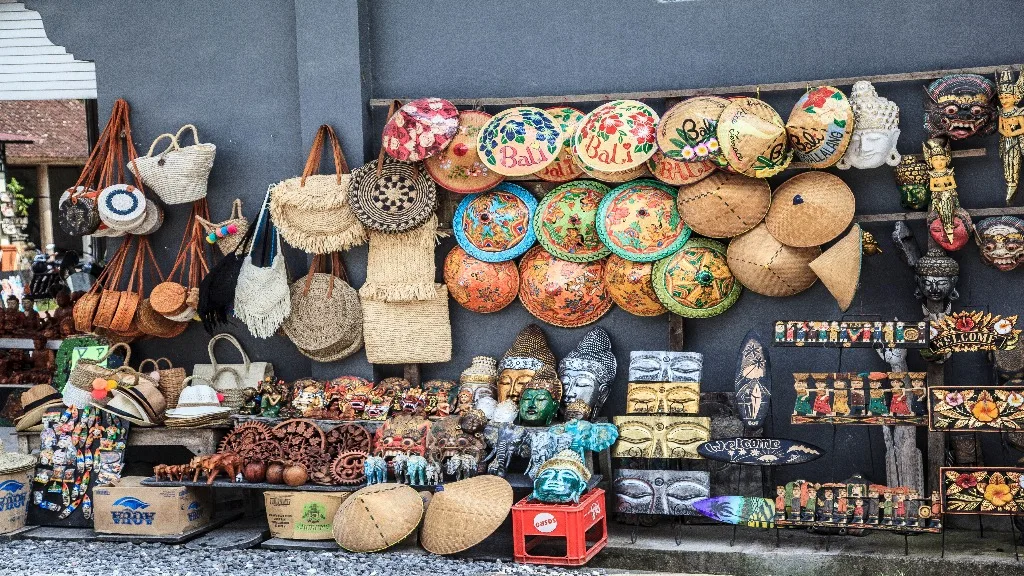
Destinations such as Bali, Japan, and Koh Samui are gaining attention not as alternatives, but as attractive holiday options. They offer a sense of discovery without the intensity of overtourism, and a pace of travel that feels more aligned with how people want to spend their time today.
This is the essence of the “near-cation”; not a scaled-down holiday, but a more intentional one.

Why Japan Is the New Europe for Asian Travellers
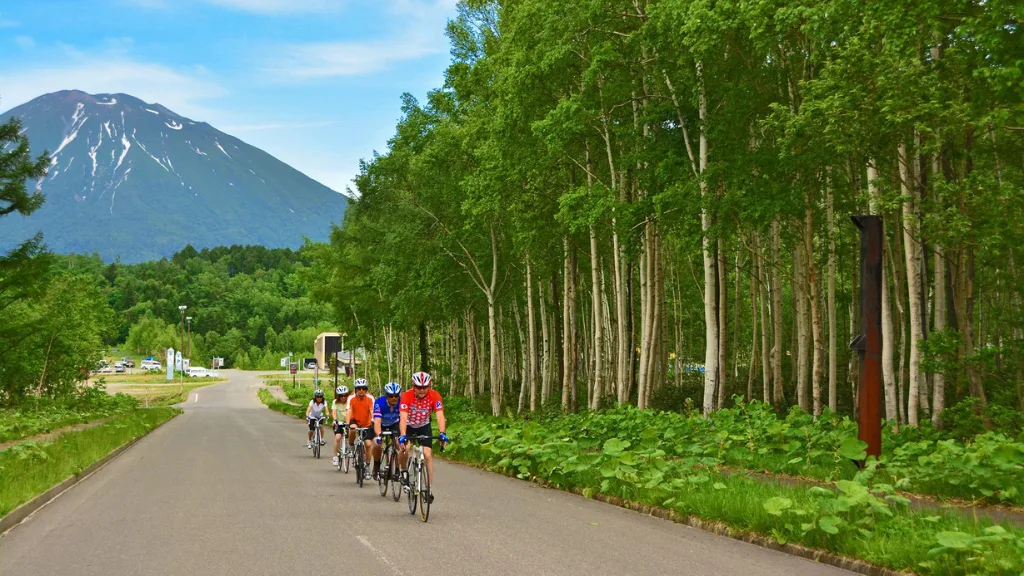
Among all regional destinations, Japan stands out as a compelling replacement for Europe. It delivers a similar sense of cultural richness, seasonality, and refinement, but with far greater efficiency and reliability.
From the culinary precision of its cities to the tranquillity of its countryside, Japan offers a depth of experience that rewards repeat visits. Importantly, it does so without the friction that increasingly defines long-haul travel. Shorter flight times and seamless infrastructure mean that more of your holiday is spent enjoying the destination, rather than navigating it.
For travellers seeking something immersive yet effortless, Japan feels like a natural evolution.

The Luxury Shift: From Hotels to Private Villas
As travel becomes more considered, expectations are evolving alongside it. Travellers are no longer content with standardised luxury; they are seeking space, privacy, and experiences that feel deeply personal.
This is where private villas across Asia come into their own. In destinations such as Bali, Lombok, Phuket, and Koh Samui, villas offer a way to experience these locations with a sense of calm and control. Days unfold at your own pace, meals are tailored to your preferences, and the presence of dedicated staff ensures that everything feels intuitive rather than orchestrated.
In a travel landscape shaped by rising costs, this shift towards private living is not indulgent; it is practical. It allows you to extract greater value from your time away, while avoiding the pressures of crowded, high-density hospitality environments.
Avoiding Overtourism: Where to Go in Asia in 2026
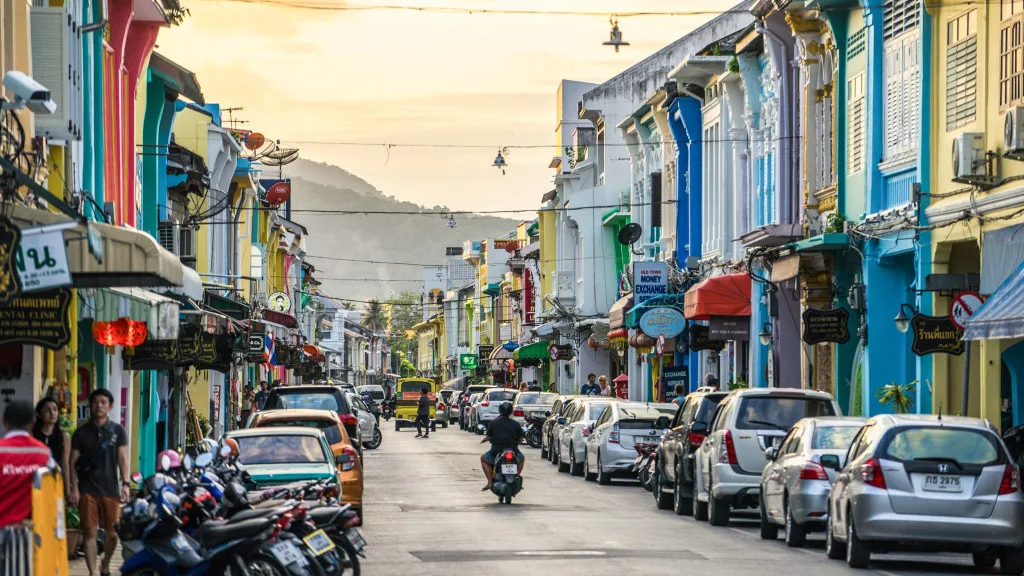
As more travellers pivot towards regional destinations, the risk of overcrowding in well-known hotspots is real. However, Asia’s diversity offers ample opportunity to stay ahead of this curve.
Emerging cities and quieter coastal regions are becoming increasingly attractive for those who value both privacy and authenticity. Choosing the right location and the right kind of stay can make the difference between a holiday that feels hectic and one that feels restorative. Take for example, Bali. Many may complain about Bali being crowded. But step away from Canggu and Seminyak to Elite Havens’ villas in Sanur, Tabanan or Ubud and discover a world untouched. There are many faces to a destination. When you travel with the right accommodation partner, you may discover one that others missed out on.
Seasonality also plays a role. See a destination in a new light by visiting it in different seasons. Niseko may be a white winter holiday dream, but it also offers an enchanting cherry blossom season, exciting summer adventure activities, and a food-festival-filled Autumn.
The key is not simply to travel within Asia, but to do so with intention.

What This Means for Travellers from Singapore, Indonesia, India, and Rest of Southeast Asia and South Asia
For travellers based in Singapore, India, Indonesia, or across the region, this shift presents a rare advantage. Some of the world’s most compelling destinations are now within easy reach, offering experiences that rival, if not surpass, those found in Europe. Cramped hotels in Europe could never compete with the absolute luxury of space and incomparable hospitality of Asia.
Shorter travel times mean fewer disruptions and more time to unwind. More predictable pricing allows for better planning. And a growing ecosystem of luxury villas and curated experiences ensures that quality is never compromised.
In many ways, this is a return to a more balanced way of travelling, one in which the journey supports the experience rather than detracts from it.
FAQs: Travelling Within Asia vs Europe in 2026
Is Europe still worth visiting in 2026?
Europe remains culturally rich and rewarding, but for travellers from Asia, the rising costs and unpredictability of long-haul travel make it less practical than before. Many are choosing to postpone or rethink such trips.
Why are flights to Europe so expensive right now?
Increased fuel costs linked to geopolitical disruptions, along with operational adjustments in aviation, have significantly driven up airfares on long-haul routes.
What are the best alternatives to Europe in Asia?
Destinations like Japan and India, as well as island destinations such as Phuket, Bali, Koh Samui and Lombok, offer rich cultural experiences, excellent food, and a more seamless travel experience overall.
Are private villas better than hotels in Asia?
For families and groups, private villas provide greater space, privacy, and flexibility. In destinations like Bali and Phuket, they often deliver better value alongside a more personalised experience. It beats a crowded Europe summer holiday.
The New Definition of a “Big Holiday”
The meaning of a truly memorable holiday is evolving. It is no longer defined by how far you travel, but by how deeply you are able to experience a place. Immersive travel is the new trend, not simply ticking off a checklist.
In 2026, Asia offers something rare: the ability to travel with confidence, to indulge without uncertainty, and to discover without compromise. It is not simply an alternative to a Europe summer holiday. It is, increasingly, the smarter choice.
Plan your 2026 holiday in Asia NOW. Click HERE.