Summary
Japanese wellness practices are rooted in centuries of ritual, nature and mindfulness. From mineral-rich onsen bathing and the meditative art of Zen to the healing simplicity of forest bathing, Japan’s approach to wellbeing focuses on balance between body, mind and environment.
Japan is home to some of the longest living citizens in the world. Ever wondered why? Wellness doesn’t seem to be a buzzword here like it is in many parts of the world. Ironically, it is also a nation where drinking hard and working even harder are practically national sports. Where you will find a sugar-filled vending machine on every corner of the street. So, how did wellness in Japan become so popular? It goes deeper than buzzwords and fads. Wellness in Japan is a way of living, not just a spa break. If you look deeper, you’ll find the secret. A long-standing tradition of spirituality, balance, purpose, and the appreciation of nature’s gifts.
So, what made Japan a Blue Zone? Here are five concepts to get familiar with.
1. What is Onsen Bathing?
Onsen are natural hot spring baths heated by volcanic activity. Rich in minerals such as sulfur and iron, these waters are believed to support circulation, relieve muscle tension and promote skin health. Bathing follows a ritual cleansing process before soaking quietly in communal or private pools.
If soaking in hot spring baths were an Olympic sport, then Japan would be the world champions, no question. The country’s volcanic geography lends itself to being home to countless mineral-rich natural baths that provide countless healing properties. In Japan, bathing in a natural hot spring (known as an onsen in Japanese) has long been considered a natural wellness therapy for a wide range of ailments. These range from skin problems and stress to tired muscles and aching bones.
There are various types of baths, each recognised for their different mineral compositions. Try the milky sulfur onsen, believed to help treat skin disorders and arthritis. Or the anaemic-friendly iron onsen or the highly carbonated hydrogen baths. Even if you’re not suffering from any ailment, there’s really nothing more relaxing than taking a nice long mineral-rich bath.
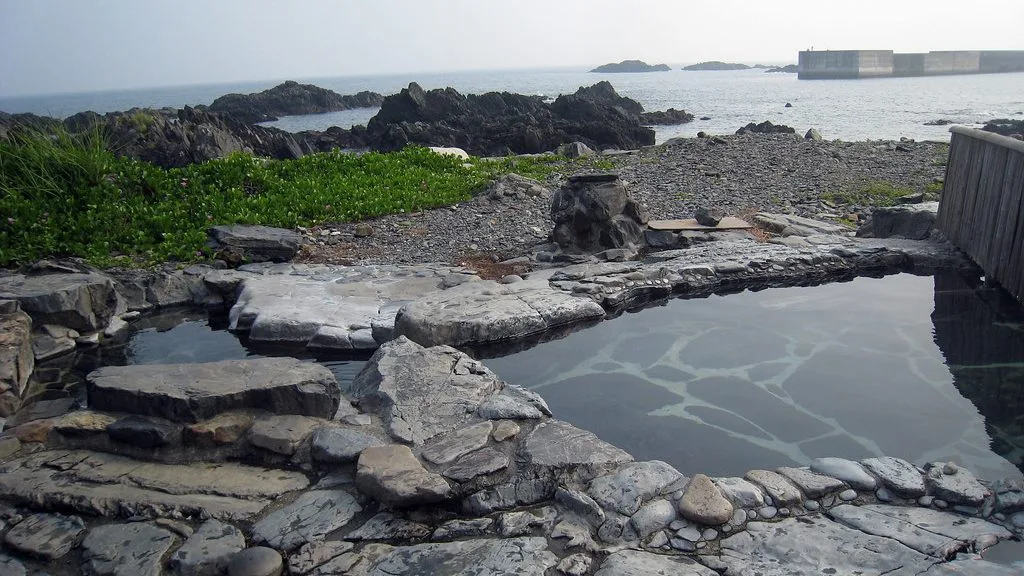
“Yudomari seaside onsen” by JoshBerglund19 is licensed under CC BY 2.0
2.Does Shinrin Yoku or Forest Bathing actually work?
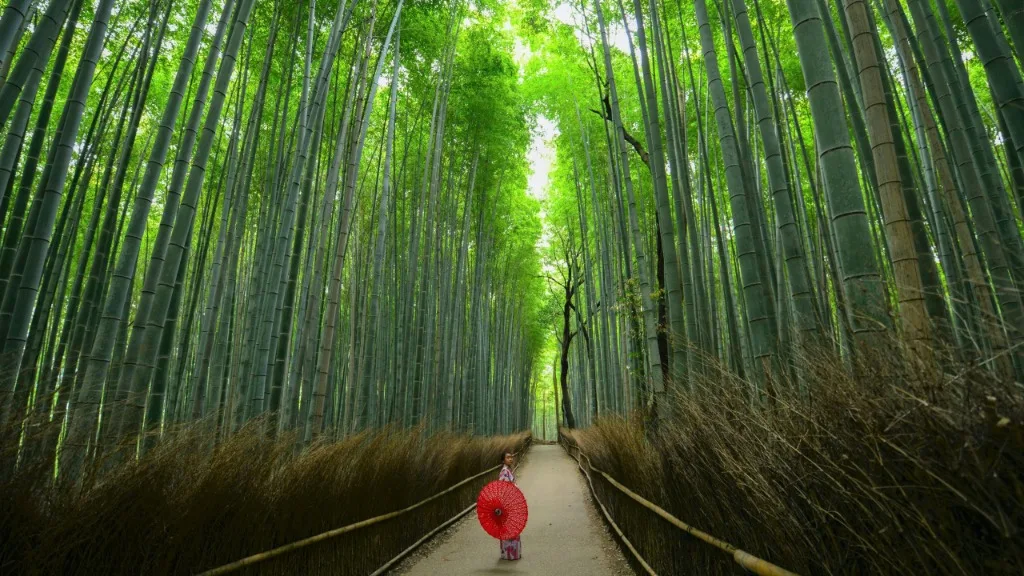
Shinrin-yoku, or ‘forest bathing,’ is the mindful practice of immersing yourself in nature. Developed in Japan in the 1980s as a preventative health measure. It’s essentially just getting out of the city, visiting a lush, densely forested area, and soaking up the natural tranquillity that surrounds you.
Scientific studies have linked forest bathing to reduced cortisol levels, lower blood pressure and improved mood. But its true power lies in its simplicity. There is no goal beyond presence. For travellers, choosing a villa surrounded by greenery or near forest trails creates the perfect setting to practise shinrin-yoku each morning; stepping directly from contemporary comfort into ancient woodland calm.
3. How to do Zen Meditation?
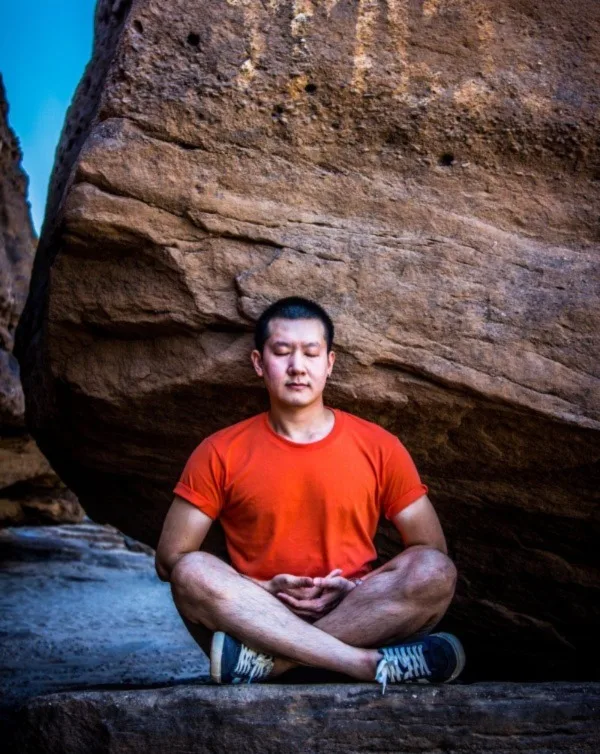
Zen meditation, or zazen, is a seated mindfulness practice rooted in Buddhist philosophy. It focuses on posture, breathing and observation of thoughts without attachment. Rather than striving for a particular outcome, Zen encourages awareness of the present moment.
Not only is Zen Meditation practised in temples across Japan by monks, but it is also woven into daily life, influencing architecture, garden design and even hospitality rituals. The aesthetic of minimalism and intentional space reflects this philosophy. Travellers staying in a private villa often find that the quiet architecture, open-air pavilions and tranquil surroundings naturally support meditative practice, turning a holiday into a deeply grounding retreat.
If you want to try this unique form of deeply spiritual meditation, designed to calm the body and centre the mind, keep the body still, thus keeping the mind still and in a state of suspended thinking. If words or ideas come to mind, they’re not for you to dwell upon. Rather, they should be allowed to pass without judgement. The practice is deeply connected to the Buddhist ideologies of connecting with the nature of existence and completely disconnecting with the material world in order to reach a level of enlightenment.
4. How to discover your Ikigai?
We all seem to know that eating well, and staying active are key ingredients to a long, happy, and healthy life. But acknowledging mental wellbeing is being recognised as just as important. Enter ikigai, the long-followed Japanese ideology of finding joy in the purpose of your life, no matter what that may be; work, family, hobbies, and interests.
The term comes from the combination of the Japanese words iki (生き), which means life, and gai (甲斐), means worth. There are four main overlapping elements that will help you uncover your ikigai: what you are good at, what the world needs, what you can be paid for, and what you love to do. While you may not always have all four, your ikigai will have a number of them at the very least. In 2017 a Japanese television show called Takeshi no katei no igaku asked a group of scientists to look into a town in Kyoto called Kyotango. This town boasted one of the longest-living populations in the country, and the one thing many of the city’s longest-living residents had in common? A hobby they practised every day that they were really into, one that challenged them and offered the opportunity to socialise and connect with others.

5. Should you try Shojin Ryori, eating like a monk?
Shojin ryori is a style of cuisine that’s much more than just a way of eating. It is a way of life that refers to vegetarian (and often vegan) dishes served in many of the nation’s Buddhist temples. The cuisine is more than just regular vegetarian fare. Often quite lavish, it incorporates fresh, seasonal, locally grown wild produce collected from around the temple in which it’s prepared. It typically features pickles, miso soup, tofu, and delicious and unique mountain vegetables.
The tradition of shojin ryori was incorporated from the Chinese teaching of Buddhism. According to Buddhist tradition, killing animals for consumption is strictly forbidden. It’s believed to cloud the purity of the spirit and interfere with meditation. As well as being healthy, sustainable, and deeply connected to the nation’s history, fresh vegetarian food is also delicious. Many sociologists believe that the Japanese diet has a lot to do with the nation’s longevity, especially in places like Okinawa, a recognised blue zone where the population lives much longer than average. In Okinawa, a large portion of the diet for many is fresh local vegetables and fish. This could also be attributed to the wellness quotient in Japan.

Frequently Asked Questions About Traditional Japanese Wellness
What are traditional Japanese wellness practices?
Traditional Japanese wellness practises include onsen bathing, forest bathing (shinrin-yoku), Zen meditation, tea ceremonies, shiatsu massage and philosophies such as ikigai. These rituals focus on harmony with nature, mindfulness and preventative wellbeing.
What is forest bathing in Japan?
Forest bathing, or shinrin-yoku, is the practice of walking slowly and mindfully in forests to reduce stress and improve mental clarity. It encourages deep breathing and sensory awareness rather than physical exercise.
Are Japanese onsen good for your health?
Onsen contain mineral-rich waters believed to improve circulation, relieve muscle tension and support skin health. While not a medical treatment, regular onsen bathing is considered beneficial for relaxation and recovery.
Where can travellers experience authentic Japanese wellness?
Travellers can experience traditional wellness in onsen regions and mountain retreats such as Niseko. Staying in a private luxury chalet allows guests to combine cultural immersion with privacy and personalised service.
For travellers planning a wellness-focused holiday in Japan, choosing a private luxury chalet offers the space and tranquillity needed to fully embrace these traditions. With dedicated staff, personalised dining and serene natural settings, a private chalet stay transforms ancient wellness rituals into a deeply restorative escape. Experience Japan’s traditional wellness practices and make the most of your stay by booking one of our private Niseko chalets.